
Category: Blogs

When and How to Harvest Your Organic Vegetables for Peak Freshness

Organic vegetable gardening is a highly satisfying effort, particularly in the vibrant city of Dubai, where fresh, homegrown produce can be scarce. Understanding the ideal time and methods for harvesting organic vegetables is critical to ensuring their freshness and nutritional value. 

 we’ll explore the essential tips and techniques for harvesting various vegetables from your organic vegetable garden in Dubai, ensuring you get the most out of your hard work.

Understanding the Harvesting Timeline

1. Leafy Greens

Leafy greens such as lettuce, spinach, and kale are some of the easiest vegetables to grow and harvest. These vegetables can be harvested at various stages of growth, depending on your preference for size and tenderness.

  • Early Harvest: For a tender and delicate taste, harvest leafy greens when the leaves are young and small. This is usually 3-4 weeks after planting.
  • Regular Harvest: For more substantial leaves, wait until the plants have matured but before they start to flower. This is typically 6-8 weeks after planting.

To harvest, use scissors or a sharp knife to cut the outer leaves about an inch above the base, allowing the inner leaves to continue growing.

2. Root Vegetables

Root vegetables like carrots, beets, and radishes require a bit more patience and observation.

  • Carrots: Carrots are ready to harvest when their tops reach about 1/2 to 1 inch in diameter. Gently pull one up to check its size.
  • Beets: Beets can be harvested when they reach the size of a golf ball to a tennis ball. The greens can also be harvested and eaten.
  • Radishes: Radishes grow quickly and can be harvested when their roots are about 1 inch in diameter, usually within 3-4 weeks.

For all root vegetables, use a garden fork to gently lift the soil around the roots before pulling them up to avoid breaking or damaging them.

3. Fruiting Vegetables

Tomatoes, peppers, and cucumbers are popular fruiting vegetables in an organic vegetable garden.

  • Tomatoes: Harvest tomatoes when they are fully colored and slightly soft to the touch. Different varieties will have different colors when ripe, so know what to expect from your plants.
  • Peppers: Peppers can be harvested when they reach the desired size and color. Green peppers are usually picked before they change color, but leaving them on the plant longer will result in sweeter red or yellow peppers.
  • Cucumbers: Cucumbers should be harvested when they are firm, green, and of a size suitable for their variety. Overripe cucumbers can become bitter and yellow.

Use garden shears or a sharp knife to cut the fruit from the plant, taking care not to damage the stem or the plant itself.

4. Legumes

Beans and peas are delightful additions to any organic vegetable garden.

  • Green Beans: Green beans are best harvested when they are young, tender, and before the seeds inside are fully developed. This is usually about 3-4 inches long.
  • Peas: Peas can be harvested once the pods are filled out but still tender. Snap peas and snow peas can be harvested when the pods are young and tender.

To harvest legumes, use your fingers or scissors to pick the pods from the plant, being careful not to damage the plant itself.

Best Practices for Harvesting

  1. Harvest in the Morning: The best time to harvest vegetables is in the early morning, when they are at their freshest and have the highest water content.
  2. Use Clean Tools: Ensure your scissors, knives, or garden shears are clean to prevent the spread of diseases.
  3. Handle with Care: Handle vegetables gently to avoid bruising or damaging them.
  4. Post-Harvest Handling: After harvesting, quickly cool vegetables to preserve freshness. Washing should be done just before eating to extend storage life.

Storing Your Harvest

Proper storage is essential to maintain the freshness of your organic vegetables.

  • Leafy Greens: Store leafy greens in the refrigerator in a damp cloth or plastic bag with holes.
  • Root Vegetables: Root vegetables can be stored in a cool, dark place. Remove the greens before storing.
  • Fruiting Vegetables: Tomatoes are best stored at room temperature, while cucumbers and peppers should be refrigerated.
  • Legumes: Fresh beans and peas can be refrigerated, but they are also great for freezing for longer storage.


Harvesting your organic vegetable garden in Dubai at the right time and using the proper techniques is key to enjoying the freshest and most nutritious produce from your garden. Whether you’re growing leafy greens, root vegetables, fruiting vegetables, or legumes, the satisfaction of harvesting your own organic produce is unparalleled.

For more tips on organic vegetable gardening in Dubai or to start your own garden, contact Green Life. Our experts are here to help you cultivate a thriving and fruitful organic vegetable garden. Embrace the joy of gardening and savor the taste of homegrown, organic vegetables.

Contact Green Life today and take the first step towards a healthier, greener lifestyle. Your organic vegetable garden awaits!


How to Keep Balcony Gardens Alive in Dubai’s Summer

As temperatures soar during Dubai’s summer months, maintaining a lush and vibrant balcony garden can seem like a daunting task. However, you can maintain your balcony gardens alive but growing throughout the summer with the correct techniques and attention. Whether you are a seasoned gardener or a novice looking to add some greenery to your space, this guide will help you navigate the challenges of summer care for balcony gardens.

Understanding Dubai’s Summer Climate

Dubai experiences extreme heat during the summer, with frequent highs of over 40°C (104°F) and little rainfall. Plants have many difficulties in the harsh environment, such as high rates of evaporation, dry soil, and heat stress. It is important to recognize these environmental elements and modify your gardening activities accordingly to maintain the health of your balcony garden.

Selecting the Correct Plants

The first thing to do in Balcony Gardens in Summer is to choose plants that can tolerate hot weather and direct sunlight. Choose plants that can withstand extreme conditions, such as cacti, succulents, and Mediterranean herbs like oregano, thyme, and rosemary. In addition, take into account native plants that are climate-adapted because they will be more sturdy and require less upkeep.

Proper Watering Techniques

An essential part of summer balcony garden maintenance is watering. Because of the extreme heat’s quick evaporation, plants require more regular watering. Still, effective watering is necessary to prevent waste and guarantee that plants get enough moisture.

Watering Tips

Water Early or Late: To minimize evaporation, water your plants either early in the morning or late in the evening.

Deep Watering: Water deeply yet frequently enough to ensure that water reaches the plant’s root zone.

Mulching: To control soil temperature and preserve moisture, mulch the area around the base of your plants with organic material.

Self-Watering Systems: To supply steady moisture, think about putting in drip irrigation systems or self-watering containers.

Providing Adequate Shade

Excessive direct sunlight can scorch plants, especially during peak hours. Providing shade can protect your plants from heat stress and sunburn.

Shading Solutions:

  • Shade Cloths: Use shade cloths or netting to filter sunlight.
  • Umbrellas and Awnings: Position umbrellas or awnings to create shaded areas.
  • Strategic Plant Placement: Place taller plants or trellises to naturally shade more delicate plants.

Pest Control

Your balcony garden may be threatened by a variety of pests and diseases drawn in by the heat and humidity. You can maintain your plants healthy and avoid pests by keeping an eye on them and taking quick action.

Pest Control Strategies:

Regular Inspection: Check plants regularly for signs of pests such as aphids, spider mites, and whiteflies.

Natural Remedies: Use natural pest control methods, such as neem oil, insecticidal soap, or homemade garlic sprays. 

Beneficial Insects: Introduce beneficial insects like ladybugs and predatory mites that prey 

In Dubai, balcony gardens need to be maintained throughout the summer months with careful planning, consistent upkeep, and the appropriate methods for fighting against the intense heat and dryness. Even in the warmest months, you may have a lush and flourishing balcony garden by selecting heat-tolerant plants, watering them effectively, creating shade, managing the soil, keeping pests at bay, and giving your garden routine upkeep.

For professional guidance and help with your balcony garden, get in touch with Greenlife Organic Farming.

Ready to transform your balcony garden into a green oasis? Contact Greenlife Organic Farming today for personalized gardening solutions and expert support. Let us help you keep your balcony garden alive and thriving all summer long.


Common Garden Landscaping Challenges in Dubai and How to Overcome Them

Dubai’s luxurious lifestyle and breathtaking architecture frequently serve as an inspiration for locals and companies to design similarly stunning garden landscapes. Dubai landscaping has its challenges, though. Keeping luxuriant gardens alive is complicated greatly by the dry environment, salty soil, and water scarcity.

We will explore common garden landscaping challenges in Dubai and provides practical solutions to overcome them.

  1. Extreme Heat and Sunshine 

The intense heat of Dubai, which reaches highs of over 40°C (104°F) in the summer, presents an important challenge to landscape design. Long-term exposure to strong sunlight can cause plants to burn and shorten their lives.

Go for plants that can tolerate hot temperatures. Bougainvillea, date palms, and plants such as are a few appropriate choices. Furthermore, you can shield sensitive plants from harsh sunlight by planting trees strategically or using shade structures like pergolas or shade cloths.

  1. Soil Salinity

Dubai’s soil frequently has a high salt concentration, which may delay plant growth and result in poor soil structure.

Implement soil improvement techniques such as adding organic matter, compost, and gypsum to reduce soil salinity and enhance its structure. 

  1. Limited Water resources

In Dubai, shortage of water is a serious problem, so water-wise garden landscaping is crucial.

Water may be saved a great deal using drip irrigation systems since they transport water straight to the roots of the plants and minimize evaporation. Mulching can also help save water by preserving soil moisture. Furthermore, choosing drought-tolerant plants like lantana, rosemary, and lavender can drastically reduce the amount of water needed.

  1. Management of Diseases and Pests

The weather in Dubai may attract a variety of insects and diseases that are harmful to gardens.

Regular monitoring and early detection are key to managing pests and diseases. Implementing integrated pest management (IPM) practices, including the use of natural predators, biological controls, and organic pesticides, can keep your garden healthy

Furthermore, pest infestations can be avoided by maintaining proper garden hygiene by clearing away waste and dead leaves.

  1. Poor Soil Nutrients

Dubai’s natural soil often lacks essential nutrients required for healthy plant growth.

To improve the soil’s nutrient level, regularly mix it with compost and organic fertilizers. With time, slow-release fertilizers can deliver a consistent supply of nutrients, encouraging strong plant development. By doing soil tests, you may determine which nutrients are deficient in your soil and adjust your fertilization strategy accordingly.

  1. Sandstorms and Strong Winds

Dubai’s frequent sandstorms and high winds may damage soil and vegetation.

To prevent wind damage to your landscape, build windbreaks like fences, hedges, or well-placed bushes. In order to prevent soil erosion and maintain soil integrity during sandstorms, ground cover plants can be used. Furthermore, plants can be protected from strong winds and sand particles by constructing protective nets.

  1. High Maintenance Requirements 

In Dubai’s harsh climate, creating and maintaining a garden may be labor- and time-intensive.

Choose low-maintenance plants that need little attention. For Dubai’s climate, xeriscaping—a landscaping technique that minimizes or does away with the need for irrigation—can be a great option. Additionally, smart garden technologies and automated watering systems can simplify garden upkeep,  making it easier to manage.

  1. Creating Both Beautiful and Useful Designs

It can be tough to strike a balance between aesthetics and usefulness, particularly when addressing the particular difficulties presented by Dubai’s surroundings.

Work with a professional landscaping company that understands the local climate and soil conditions. They can help design a garden that is both beautiful and functional, incorporating elements like water features, hardscaping, and native plants to create a sustainable and visually appealing landscape.


Dubai has particular challenges for garden design because of its harsh temperature, salty soil, and limited supply of water. Nevertheless, it is possible to design and manage a stunning garden that survives in these circumstances provided the right strategies and solutions are used. Each stage in establishing effective irrigation systems and pest management techniques, together with selecting the proper plants and enhancing the quality of the soil, helps to overcome the difficulties involved in landscaping gardens in Dubai.

Contact Greenlife Organic Farming if you want to redesign your outdoor area and need professional guidance on resolving these landscaping obstacles. Our skilled staff specializes in environmentally friendly landscaping options that fit Dubai’s particular setting. Together, let’s design a breathtaking garden haven that you can use all year long.


Essential Guidelines for Starting Your Own Organic Vegetable Garden

Developing an organic vegetable garden may be an enjoyable endeavor for both your health and the environment. Cultivating an organic vegetable garden gives you control over what goes into your food while also reducing your carbon footprint. Whether you have a large backyard or a little balcony, here are some essential ideas for growing a successful organic garden.

  1. Plan your garden layout

Before you dig your first clod of ground, you must plan. Consider the available space and the amount of sunlight it receives each day. Most vegetables grow in direct sunlight. Create a layout based on the size and development patterns of the plants you want to grow. Garden-raised beds are a popular alternative because they provide greater drainage and are easier to maintain.

  1. Choose the Right Soil

Soil health is essential in an organic garden. Choose organic, nutrient-rich soil that will nourish your plants throughout their growth cycles. Compost, aged manure, or organic fertilisers can help to increase your soil’s permeability and drainage. The optimum soil for a vegetable organic garden should be high in organic matter to promote healthy plant growth.

  1. Select Suitable Vegetables

Choose vegetables that are appropriate for your climate and soil conditions. Lettuce, radishes, and tomatoes are some easy vegetables for beginners. Consider the growth seasons in your area and choose types that will produce within your gardening time period. Furthermore, planting local species can improve growth and disease resistance.

  1. Implement companion planting

Companion planting is an essential method in organic gardening. It entails grouping plants that can benefit one another, either by increasing growth, improving flavor, or naturally repelling pests. Marigolds, for example, have been shown to repel pests that may target tomatoes, but basil can assist improve tomato flavor.

  1. Use natural pest control

Pests are unavoidable, but how you handle them can make all the difference. Avoid using synthetic pesticides, as they can destroy your garden’s ecosystem. Instead, use natural alternatives like neem oil, and soap sprays, or introduce beneficial insects like ladybirds or lacewings. In order to keep any difficulties under control, inspect your plants on a regular basis for early signs of infection.

  1. Use water wisely

Watering is more of an art than a chore, particularly in a vegetable organic garden. The idea is to water thoroughly but seldom, which promotes deeper root growth while reducing water waste. Early min the morning is the best time to water your plants because it reduces evaporation and prevents fungal problems. Install a rainwater collection system if possible to ensure that natural water resources are used sustainably.

  1. Mulching is a must

Mulch is an excellent way to retain moisture, control weeds, and nourish your soil. Organic mulches, such as straw, bark, or leaf clippings, not only keep the soil moist but also decompose over time, enriching it with organic content. Apply a layer of mulch around your plants to keep the soil temperature stable and weeds away.

   8. Regular maintenance and care

Regularly inspect your garden for pests, diseases, and nutritional deficits. Pruning and deadheading promote more robust growth and higher harvests. Crop rotation should be done on an annual basis to prevent soil depletion and disease spread. Keeping a garden book can help you track plant progress, identify patterns, and prepare for future planting seasons.

  1. Harvest at peak freshness

Harvesting veggies at the appropriate time gives the maximum flavor and nutritional value. Most veggies are best collected in the morning when the moisture level is highest. Harvesting on a regular basis stimulates plants to produce more, allowing you to maximize your output throughout the season.

  1. Enjoy the fruits of your labor

Finally, take time to appreciate both the process and the results of your organic vegetable garden. The pleasure of eating fresh, homegrown vegetables is unmatched. Sharing your harvest with friends and neighbors can spread joy and even motivate others to establish their own organic gardens.

Starting a vegetable garden is an enriching experience that benefits not just your dinner table but the environment as well. With these tips for an organic garden, you’re well on your way to cultivating a sustainable and thriving garden that will serve you for seasons to come. Remember, every organic garden is a step towards a healthier planet, so plant your garden today and enjoy the journey!

Feeling inspired to start your organic gardening adventure but need a little more guidance? Contact GreenLife Organic Farming today for expert advice and quality organic gardening supplies. Let’s grow something wonderful together!


Garden Maintenance in Dubai | Effective Methods for Keeping Your Garden Weed Free

Tips for gaeden Maintenance in dubai a Weed-Free Garden Gardens may provide a peaceful and enjoyable environment for both plants and animals. However, the invasive nature of weeds can make garden maintenance in dubai a never-ending challenge. Establishing a weed-free garden not only improves the aesthetics of your green space, but also supports plant health. Here are some excellent ways to keep your garden healthy and weed-free.

Understand your garden

Before you start weeding, you need first to grasp your garden’s special conditions. Soil type, climate, and native plant species all influence which weeds are more likely to thrive in your location. Understanding these variables allows you to adapt your weed management strategies effectively.


Prevention is key

Garden upkeep begins with prevention. Here are some proactive steps to maintain your yard weed-free:

Mulching: Applying a thick layer of mulch is one of the most effective ways to control weeds. Mulch keeps sunlight from reaching the soil, preventing weed seeds from developing. Organic mulches, such as wood chips or straw, boost soil health as they decompose.

Landscape fabric is a good option for more permanent plantings. This barrier is placed around plants or over entire beds to keep weeds out while enabling water and air to reach the roots of your preferred plants.

Dense planting reduces the available room for weeds to develop. When plants are tightly spaced, they shade the soil and reduce the amount of sunlight available to weeds.

Regular Maintenance

Consistency in garden maintenance in dubai is essential for weed-free gardens. Weeding regularly is required to keep weeds from maturing and re-seeding, which can quickly expand the weed population.

Hand Weeding: This method is great for removing individual weeds and provides precision without damaging neighbouring plant roots. It works best when the soil is damp, as the entire root system is easier to take out.

Hoeing: For bigger areas with young, soft weeds, hoeing can be a time-saving option. It removes weeds at the base, ideally just below the soil level, preventing them from resprouting.

Using herbicides

While cultural and mechanical approaches are preferable for keeping weeds away in a garden, herbicides may be required on occasion, particularly in cases of strong weed infestations. When selecting herbicides, consider the following:

1.Selective herbicides: These chemicals kill certain weed species while leaving other plants unscathed. They are good for weeds that have grown between ornamentals or crops.

2.Non-selective herbicides: Use with caution because they kill any plant they come into touch with. They are appropriate for clearing out regions where you intend to establish new garden plots.

Always follow the manufacturer’s recommendations to reduce environmental effects and avoid injury to non-target plants.

Natural and Organic Options

Those who desire a more eco-friendly approach to garden management can consider numerous natural methods:

  1. Vinegar: Regular home vinegar can be a powerful organic herbicide. Vinegar contains acetic acid, which will dry up and kill new weeds. This approach is non-selective, thus it should only be used on weeds.
  2. Boiling Water: Using boiling water to destroy weeds can be an efficient alternative to using chemicals. This procedure is quick and effective, especially for weeds growing in cracks along walkways or driveways.
  3. Corn Gluten Meal: This natural byproduct suppresses root development in weeds during germination. It is most effective when administered before the weeds develop.

keeping your garden weed-free involves a combination of preventative measures, frequent maintenance, and, in some cases, the cautious application of herbicides. With these practical garden maintenance in dubai tactics, you may have a healthy, vibrant, and weed-free garden. Dedication to these methods will ensure that your garden stays a lovely and relaxing retreat for many years to come.

A weed-free garden not only helps to maintain the biological balance of your outdoor space, but it also demonstrates the cautious and considerate work of an attentive gardener. With these tactics, you’ll be well-equipped to keep your garden healthy and beautiful, allowing it to thrive in harmony with nature.


Organic Gardening Tips for Beginners in Dubai

Organic gardening is becoming increasingly popular around the world, including in Dubai. With its distinct temperature and growth circumstances, taking an organic approach to your garden in Dubai may be both rewarding and difficult. Whether you have a little balcony or a large backyard, green life Organic Gardening Tips can help you to  grow a healthy and successful garden. Here are some vital ideas to help you get started with your organic gardening journey in Dubai.


Understanding Dubai’s Climate

Dubai’s climate is mostly arid, therefore, water conservation is essential. Summers can be quite hot, with temperatures often topping 40°C, whilst winters are warm and pleasant. Such conditions necessitate specific consideration for the types of plants you select and their water requirements.

  1. Choosing the Right Plants

Choose plants that will thrive in Dubai’s hot and dry climate. Native plants or those adapted to similar conditions, such as bougainvillea and dates, as well as specific types of herbs like mint and basil, are excellent choices for novices. These plants are more likely to grow, requiring less water and care.

  1. Soil preparation

Dubai’s soil is sandy and low in nutrients. It is critical to replenish your soil when gardening organically. Begin by adding organic compost, which you can make from kitchen scraps such as fruit and vegetable peels. Composting not only increases soil fertility but also aids in moisture retention, which is critical in arid climates.

  1. Water Management

Effective water management is crucial in Dubai. Drip irrigation is an ideal approach for organic gardening since it sends water straight to the roots of the plants, reducing waste. Mulching is another important method that entails covering the soil around your plants with organic matter, such as leaves or straw to prevent water evaporation.

  1. Natural Pest Control

Avoiding chemical pesticides is an important principle in organic gardening. You may naturally control pests by attracting beneficial insects such as ladybirds and lacewings, which feed on dangerous pests. Neem oil and DIY sprays made from garlic or chili can also help keep pests away while protecting your plants.

  1. Organic fertilisers

Instead of synthetic fertilisers, use organic solutions that release nutrients gradually and boost soil health. Organic fertilisers such as fish emulsion, seaweed extract, and bone meal supply vital nutrients to plants and promote long-term growth.

  1. Seasonal planting

Knowing the growth seasons in Dubai is essential for organic gardening. Plant your seeds during the cooler months of October to March, when conditions are more conducive to growth. This time allows your plants to establish themselves without the burden of the intense summer heat.

  1. Regular maintenance

Regular inspection and upkeep of your garden are critical to its success. This includes cutting dead or diseased branches, inspecting for pest infestations, and ensuring that your plants have enough water and nutrients. A well-kept garden is less likely to have serious issues and will be more fruitful.

  1. Learning and Patience

Organic gardening is a journey that takes perseverance and a willingness to learn and adapt. Every plant and season can teach you something new about gardening. Connect with local gardening communities online or in-person to exchange advice, seeds, and experiences. These networks can be wonderful resources for inexperienced gardeners.

  1. Start Small

If you are new to organic gardening, start small. A few pots or a tiny patch will allow you to master the fundamentals without becoming overwhelming. As you acquire confidence and experience, you can progressively grow your garden.

  1. Enjoy the process

Finally, remember that gardening should be a relaxing and enjoyable experience. Enjoy the physical activity, connection with nature, and satisfaction of growing your own. If you need anay help with Organic Gardening contact Green Life Organic Farming LLC 

Organic gardening in Dubai presents unique obstacles due to the environment, but it can also be quite rewarding with the correct expertise and instruments. By following these organic gardening ideas, you may build a thriving garden that brings beauty and food into your home. Accept obstacles, keep learning, and reap the benefits of your efforts. If you need any help with Organic gardening, contact Green Life Organic Farming LLC and have fun planting!


The Top 10 Benefits of Vertical Farming

Vertical farming is changing the way we think about agriculture . By stacking crops vertically,  farming technology maximizes space efficiency while also providing significant environmental and economic benefits. Here are the Top 10 Benefits of Vertical Farming, which demonstrate why this method is becoming a wonderful solution.

  1. Maximised Space Usage

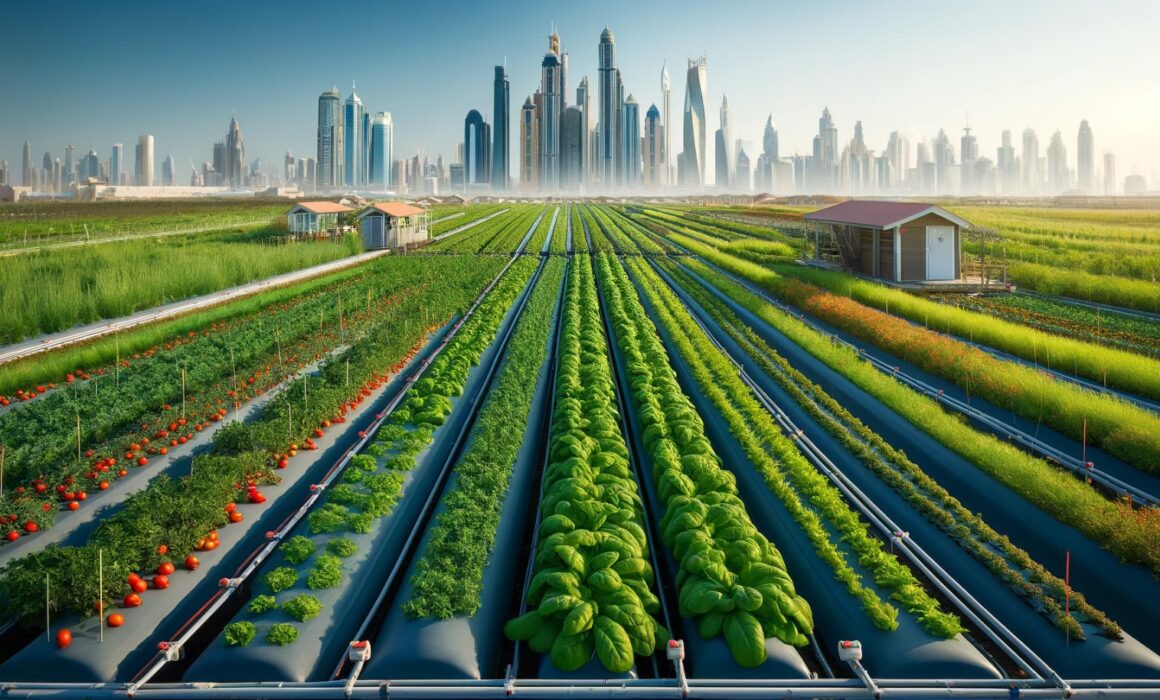
The ability to save space is one of the most significant advantages. In cities where horizontal land is scarce and expensive, This makes use of vertical space, allowing more crops to be grown in a smaller footprint. This is especially useful in heavily crowded cities, where traditional farming is not practical.

  1. Increased crop yield

It may grow crops year-round, regardless of seasonal variations, resulting in higher yearly yields than regular farming. The regulated atmosphere promotes optimal growing conditions, reducing growth cycles and allowing farmers to harvest more frequently per year.

  1. Resource Efficiency

Water efficiency is a key feature of farming. These methods use up to 70% less water than open-field farming since water may be recycled within a confined environment. Furthermore, vertical farming frequently use hydroponics or aeroponics, which require substantially less water than soil-based growing methods.

  1. Lower Transportation Costs and Pollution

It lowers the need for long-distance transportation by positioning farms closer to urban consumers. This not only lowers transportation costs but also minimizes the carbon emissions and pollution associated with transporting products from traditional farms to markets.

  1. Reduced use of chemicals

Vertical farming conditions can be precisely managed and free of pests and pathogens. As a result, pesticides and herbicides are used less frequently, limiting chemical runoff into the environment and producing healthier, cleaner fruit.

  1. Climate Resilience

Climate change is a major challenge to traditional farming. Vertical farms, on the other hand, are relatively unaffected by weather, ensuring food production in the face of adverse weather catastrophes such as droughts and floods. This enables vertical farming.

  1. Energy Efficiency

Modern vertical farms use energy-efficient technologies like artificial LED lighting that mimics sunlight. These are more energy efficient than traditional grow lights and can be fine-tuned to provide the particular light spectrum required for plant growth, resulting in even greater energy savings.

  1. Encourages local food production

It promotes local food production, minimising the need for imports. This not only benefits local businesses, but it also ensures that customers have access to fresher products, improving food security in cities.

  1. Minimal impact on ecosystems

Deforestation, soil degradation, and biodiversity loss are all common outcomes of traditional farming. It benefits the environment by reducing the land footprint required for agriculture, which preserves ecosystems and reduces land use pressures.

  1. Scalability & Versatility

Vertical farms can be created in a number of environments, including abandoned warehouses, skyscrapers, and residential neighborhoods. It’s versatility and scalability make it an appealing alternative for towns trying to include more green solutions and encourage sustainable living.

It is more than just a technique of food production; it is a new strategy that addresses many of modern agriculture’s sustainability issues. With its multiple advantages, ​​ Hydroponics is positioned to play a critical role in how cities approach food production, providing a sustainable, efficient, and productive means of meeting the world’s food demands. As technology progresses and more people move to cities,  Hydroponics is anticipated to become an important component of urban development initiatives, assisting cities in becoming more self-sufficient while decreasing their environmental impact.

By embracing this, we can move towards a more sustainable and food-secure future, demonstrating that new solutions can benefit both people and the environment.

Contact Green Life Organic Farming today to explore your options and make a positive change for the future.


Strategies for Successful Organic Farming in Dubai

Organic farming practices are becoming increasingly popular in Dubai, a city known for its creative approach to challenges. The change is more than a trend; it is a big step towards sustainable agriculture in an arid region with limited water supplies.

Explore green life organic farming that can make Dubai both successful and sustainable.

Understanding the Climate and Soil

Dubai’s environment is defined by extreme temperatures, low rainfall, and high evaporation rates, making traditional farming difficult. Understanding and adjusting to the local climate is the first step towards successful farming in Dubai. Organic farmers must choose crops that are heat and drought-resistant, such as dates, figs, pomegranates, and some leafy greens like spinach and Swiss chard.

Dubai’s sandy soil presents additional issues, as it frequently lacks vital nutrients required for proper plant growth. Organic farmers can increase soil fertility by incorporating organic matter like compost, which helps absorb water and minerals. Regular soil testing is critical for determining the soil’s demands and monitoring the effectiveness of organic additions.

Selecting the Right Crops

Not all crops survive in the harsh Dubai climate. Choose heat-tolerant and drought-resistant types. Dates, tomatoes, cucumbers, and leafy greens such as spinach and kale are among the greatest options in Dubai. These crops can grow with little water and adapt well to high temperatures.

Water Management

Efficient water management is the crucial form in Dubai. Drip irrigation and mulching can help reduce water waste by sending water directly to plant roots and lowering evaporation. Furthermore, collecting and utilising greywater and precipitation can provide additional water sources without overburdening the local water supply.

The use of Renewable Energy 

Dubai’s abundant sunlight is a valuable resource that can be used to power solar plants. Solar panels can power irrigation systems, cooling units for storage, and other farm operations, reducing the farm’s carbon footprint and lowering operational expenses.

Market for Organic Products

The demand for organic products in Dubai is increasing as citizens become more health-conscious. To make a profit from this trend, organic producers must properly market their products. This includes proper labeling, certification, and education on the advantages of organic products. Participating in local farmers’ markets and joining cooperatives can also help small farmers get market access and strengthen their negotiating position.

Pest Management

It forbids the use of synthetic pesticides, requiring farmers to rely on natural pest control measures.

1. Integrated pest management (IPM).

IPM uses a variety of strategies, including selecting disease-resistant types, rotating crops, and promoting natural predators in the farm ecosystem. Pheromone traps and trap crops that entice pests away from the main crops are both successful techniques.

2.Biological Control.

Using biological agents such as ladybirds, which feed on aphids, or introducing nematodes, which attack soil pests, can help keep pest populations under control while minimising environmental impact.

Community Support

The cooperation of local and community organisations is critical to the success of organic farming in Dubai. Farmers can greatly benefit from government efforts that offer training, rewards for organic certification, and research into sustainable farming practices. Community-supported agriculture (CSA) programs can also boost local participation while providing farmers with an ongoing marketplace for their products.

Successful farming in Dubai requires an in-depth strategy that takes into account the region’s distinct environmental concerns. It can succeed by tailoring agricultural operations to the local climate and soil, managing water efficiently, selecting appropriate crops, and applying long-term pest management strategies. With the additional backing of government regulations, community initiatives, and continuous education, Dubai can establish a robust and sustainable sector to fulfill the expanding demand.

As Dubai increases its focus on sustainability, the organic family emerges as a vital player in supporting environmental health and food security. The practices presented here not only help to ensure successful farming in Dubai but also establish a standard for organic farming in similar regions around the world.


Simple Steps to Design Your Perfect Kitchen Garden in Dubai

Creating a kitchen garden in Dubai can be a rewarding and practical way to promote sustainability and confirm a steady supply of fresh produce at your doorstep. With the appropriate approach and a few basic gardening principles, you can turn any little space into a thriving garden. Here’s how to start your own kitchen garden in Dubai, taking advantage of the local climate and your personal preferences.

STEPS TO GROW A KITCHEN GARDEN IN DUBAI

  1. Choose the Right Location. 

The first step in designing your kitchen garden in Dubai is to choose the proper location. Most veggies and herbs require hours of sunlight per day, so your garden should get at least that much. Consider spaces such as balconies, outdoor spaces, or even a tiny backyard. If you have limited room, vertical gardening might be a great solution because it allows you to grow upwards rather than outwards.

  1. Choose Right Plants.

Not all plants flourish in Dubai’s hot climate, so select types that can withstand the heat. Choose heat-tolerant veggies, such as tomatoes, cucumbers, and peppers, as well as herbs like basil, thyme, and mint. These plants can tolerate extreme temperatures and require little water, making them ideal for the region.

  1. Prepare your soil.

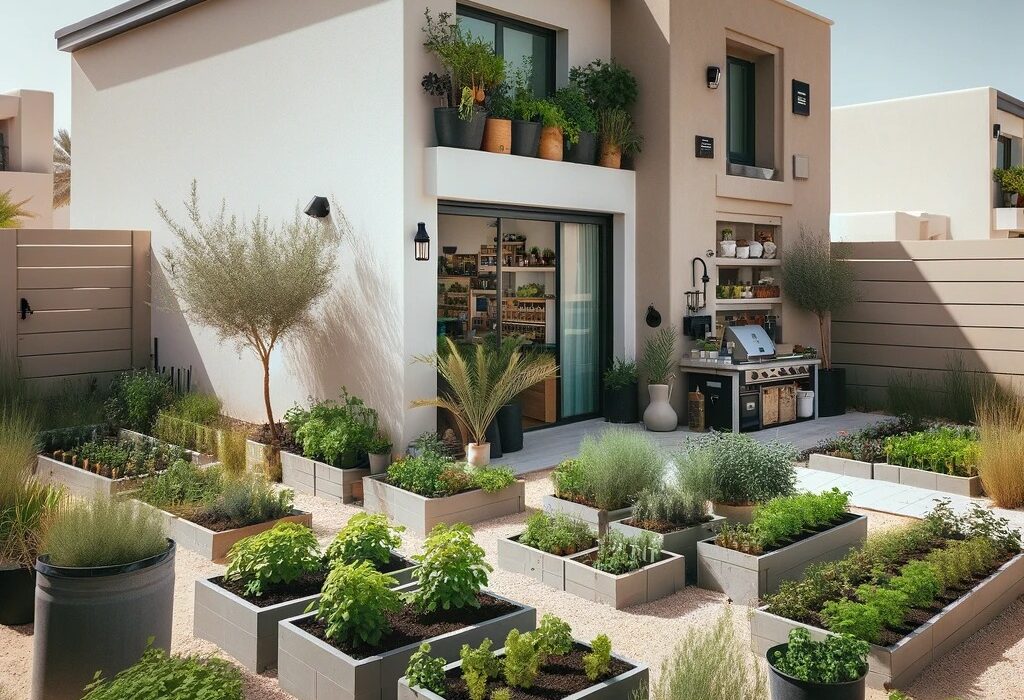
Soil preparation is essential for any garden, especially in Dubai, where the natural soil can be sandy and lacking in nutrients. Add compost and organic materials to your garden beds to increase soil structure and fertility. Consider raised beds to improve soil quality and ease of management for your plants.

  1. Implement Efficient Watering Techniques.

Water efficiency is critical in Dubai’s dry climate. Drip irrigation is one of the most effective watering strategies for a kitchen garden since it provides water directly to the plant roots, reducing evaporation and waste. Mulching around your plants can also assist in maintaining soil moisture, reducing the need for regular watering.

  1. Select the Right Containers.

If you decide to have a container garden, you must choose the right containers. Use containers that are large enough to support the plant’s growth and have appropriate drainage holes. Materials such as ceramic or clay are preferred because they assist regulate soil temperature.

Gardening Tips for Continuous Harvesting

  1. Crop rotation helps to minimize soil depletion and disease.
  2. Harvest frequently to encourage more growth, especially with herbs and leafy greens.
  3. Companion planting may increase plant health and results. For example, growing marigolds can naturally repel pests.

Adjusting to the seasons

While Dubai’s temperature is generally warm, the slightly cooler months of November through March are good for growing a larger range of vegetables. This is the greatest time to experiment with plants that may not be able to withstand the high summer temperatures.

Benefits of Kitchen Gardening

There are numerous benefits to kitchen gardening. It basically allows you to enjoy fresh, organic foods that you can make. Therefore, you’ll have access to a diverse range of nutritious fruits and vegetables cultivated without the use of harmful pesticides and chemicals.
Growing food instead of relying on store-bought fruit from afar is also a great way to reduce your carbon footprint.


It is a pleasant experience that may bring health, happiness, and a touch of nature into your city life. By following these simple steps and combining fundamental gardening techniques, you can create a garden that not only survives but flourishes in the Dubai environment. Remember that recognising and working with your local environment is essential for a successful kitchen garden. Happy gardening.

By carefully arranging your kitchen garden, you’ll discover that this small patch of green not only beautifies your house but also helps to a more sustainable living in Dubai. Whether you’re an experienced gardener or a newbie, Green Life Organic Farming LLC will help you grow a profitable and beautiful kitchen garden.


All You Need to Know Before Starting a Balcony Garden

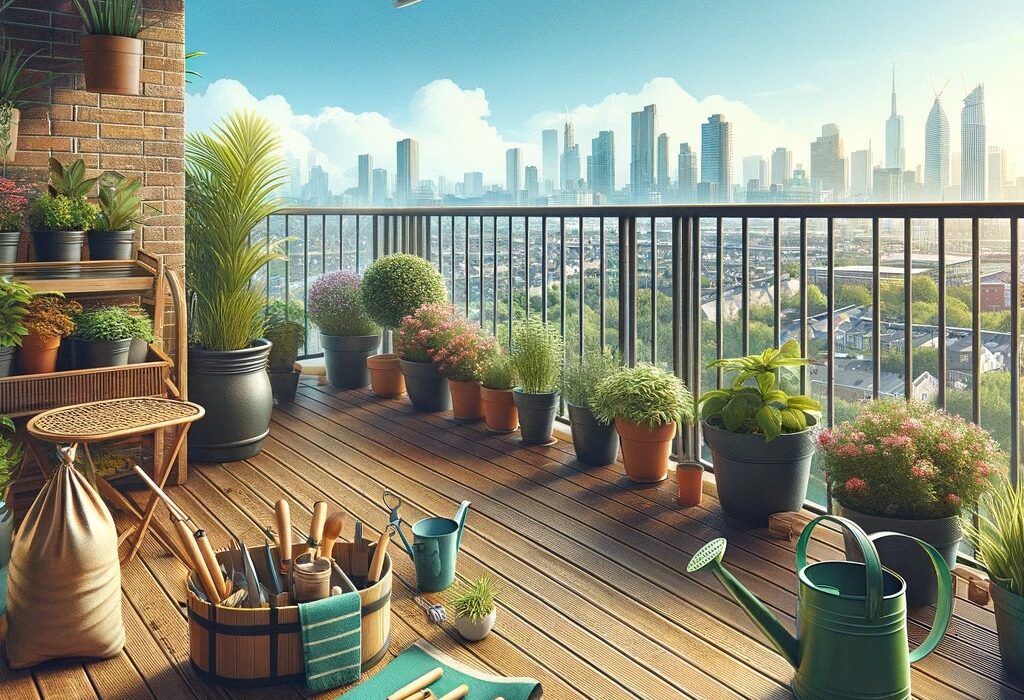
Starting a balcony garden in dubai can turn your outside area into a lush, green haven amid the urban landscape. Gardening on the balcony not only beautifies your home but also provides a rewarding hobby that can improve your well-being.  A couple of pots, some potting mix, some seeds or vegetable cut-outs from your kitchen, and, of course, water are all you really need for a simple start.

We will cover all you need to know before starting your balcony garden in dubai journey, with a focus on essential tips and garden care for balconies.

1. Assessing Your Balcony Conditions

The first step in successful gardening on a balcony is to look at the circumstances of your location. Consider sunshine exposure, wind strength, and your balcony’s weight capability. Different plants require different light conditions, so it is critical to monitor the amount of sunlight your balcony receives throughout the day and select plants accordingly.

2. Selecting the Right Plants

The choice of plants plays a role in balcony gardening. Choose plants that are appropriate for the circumstances on your balcony. If you have a sunny balcony, consider planting herbs such as basil, rosemary, and thyme, as well as veggies like tomatoes and peppers. Ferns, begonias, and peace lilies are excellent plants for shaded balconies. Remember that the correct plants will grow with minimal work, producing lush greenery or dazzling blossoms.

3. Containers and Soil

Selecting the right containers and soil is essential for garden care for balcony spaces. Garden care for balcony spaces requires careful selection of the appropriate containers and soil. Use a high-quality potting mix specifically formulated for container planting to ensure optimal drainage and nutrient retention. Select containers with drainage holes to avoid waterlogging, which can harm plant roots. Consider the size and depth of the containers based on your plants’ root requirements.

4. Watering and feeding

Gardens on the balcony need more regular watering than garden bed plants due to low soil volume and faster drying conditions. However, avoid overwatering, since it might cause decay in the roots. To offer essential nutrients and encourage healthy growth, establish a regular feeding schedule and use a balanced, water-soluble fertilizer.

5. Pest and Disease Management

Pests and diseases can be more easily managed in a balcony garden due to the contained environment. The enclosed setting makes pests and pathogens easier to maintain in a balcony garden. Inspect your plants regularly for symptoms of pests or illnesses, and act quickly if necessary. Organic pest management options, such as neem oil or insecticidal soap, can successfully manage pests while remaining safe for both you and the environment.

6. Maximising space

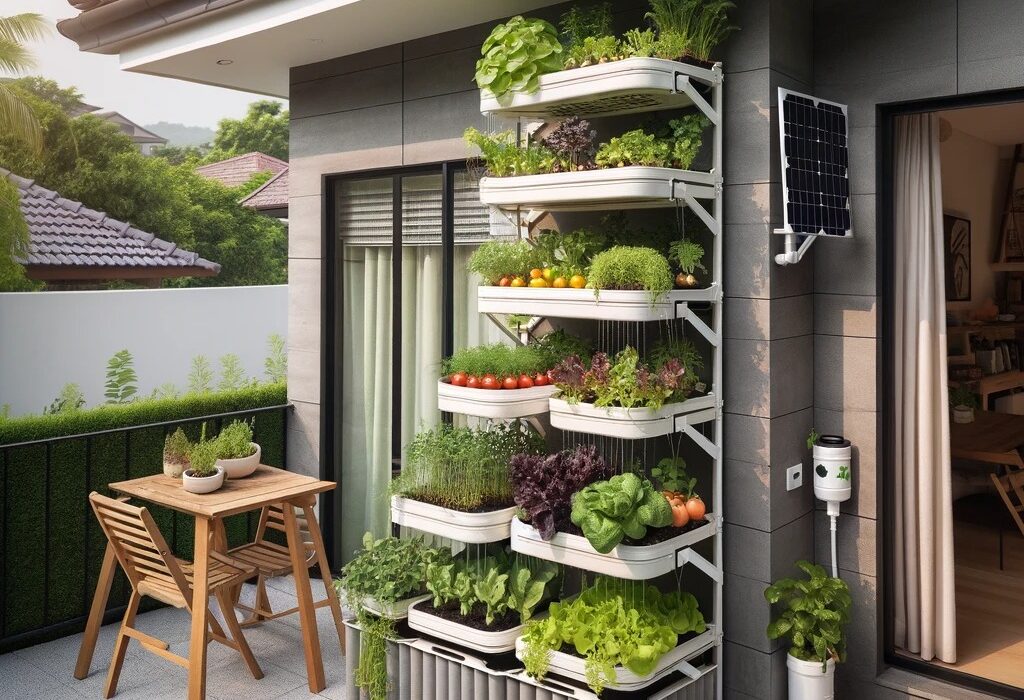
Balcony gardening frequently requires little space, so creativity is essential. Use vertical gardening options, such as wall planters or hanging baskets, to add greenery without taking up floor space. Layered plant stands and fence planters are other great ways to maximize space.

7. Seasonal Care

Gardening on a balcony requires responding to seasonal variations. During severe weather, move your plants to more sheltered areas to protect them from excessive temperatures. To keep plants healthy and active, seasonal garden maintenance for balcony areas includes rotating crops, trimming, and renewing the soil.

8. Enjoying Your Balcony Garden

Finally, save some time to enjoy the results of your hard work. In addition to providing a peaceful haven, a balcony garden allows you to experiment with plant combinations, cultivate your own food, and reap the health advantages of gardening. A balcony garden may significantly improve your quality of life, whether you’re enjoying your coffee in the morning while surrounded by greenery or gathering herbs that you’ve grown yourself for food.

With the correct planning and attention, gardening on a balcony can be a fulfilling experience with Green Life Organic LLC. You may develop a flourishing garden that brings joy and nature into your modern home by knowing the particular requirements of your balcony space, selecting appropriate plants, and following good garden care for balcony techniques. Whether you’re a beginner or an expert gardener.