
Category: Blogs

Seasonal Balcony Gardening Tips for Dubai’s Climate

Are you looking for some greenery in Dubai’s climate? Look no further than your very own balcony. Balcony gardening in Dubai provides countless opportunities to turn your outside area into a greener paradise, no matter your level of gardening experience.

The residents of Dubai are well aware of the hot and humid summer season that goes through every year and the limited rainfall.

What are some gardening tips and tricks suitable for the weather in Dubai?

In the United Arab Emirates, summer officially begins in April, and high temperatures are not good for plants. But we must also figure out how to make the most of our gardening passion and fill our surroundings with as much greenery as possible. If they still need to crisp up, the plants on the balcony that used to blossom during Dubai’s winters may soon wither and dry out. If you live in a flat, don’t give up because summertime doesn’t have to be so scary, also Green Life Organic Farming experts are with you to help at any time. Here are a few tips and tricks ;

  1. Map Out Your Balcony

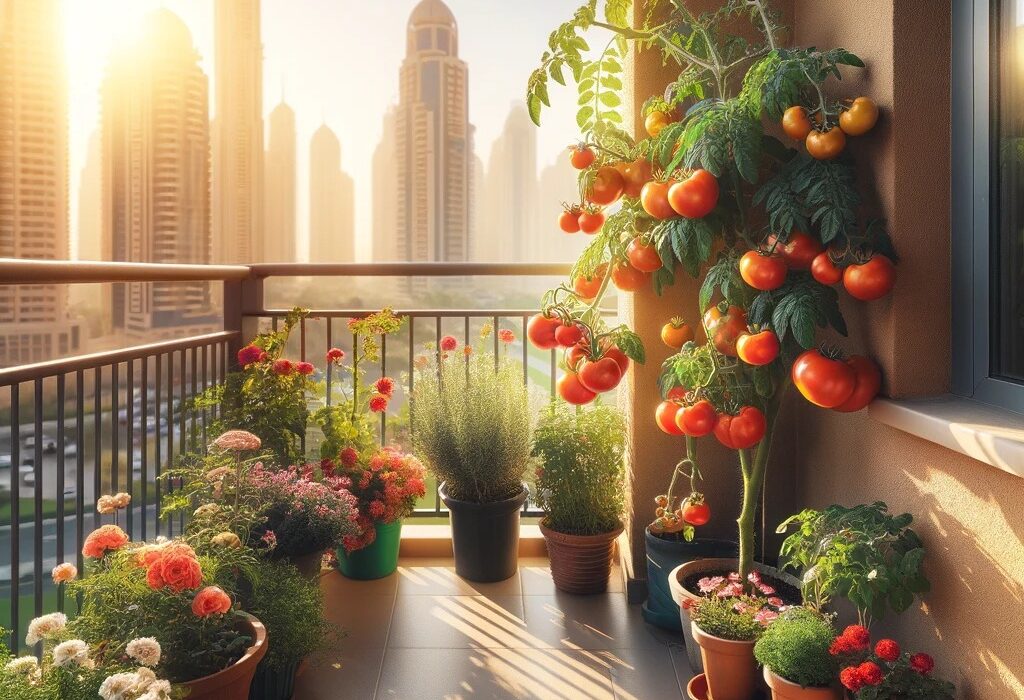
We all know summers are hot, bright, and sunny, but in the planting world, it is important to get to know your balcony at the micro level. What kind of light and how many hours of light does your balcony get? Is your balcony shaded, partially covered, or fully exposed? How will the direct sun and warm wind affect the plants on your balcony? These are all the questions you need to ask yourself before setting up your balcony. This will help you design the layout of your balcony garden before you start purchasing & arranging your plants. 


  1. Choose the right plants.

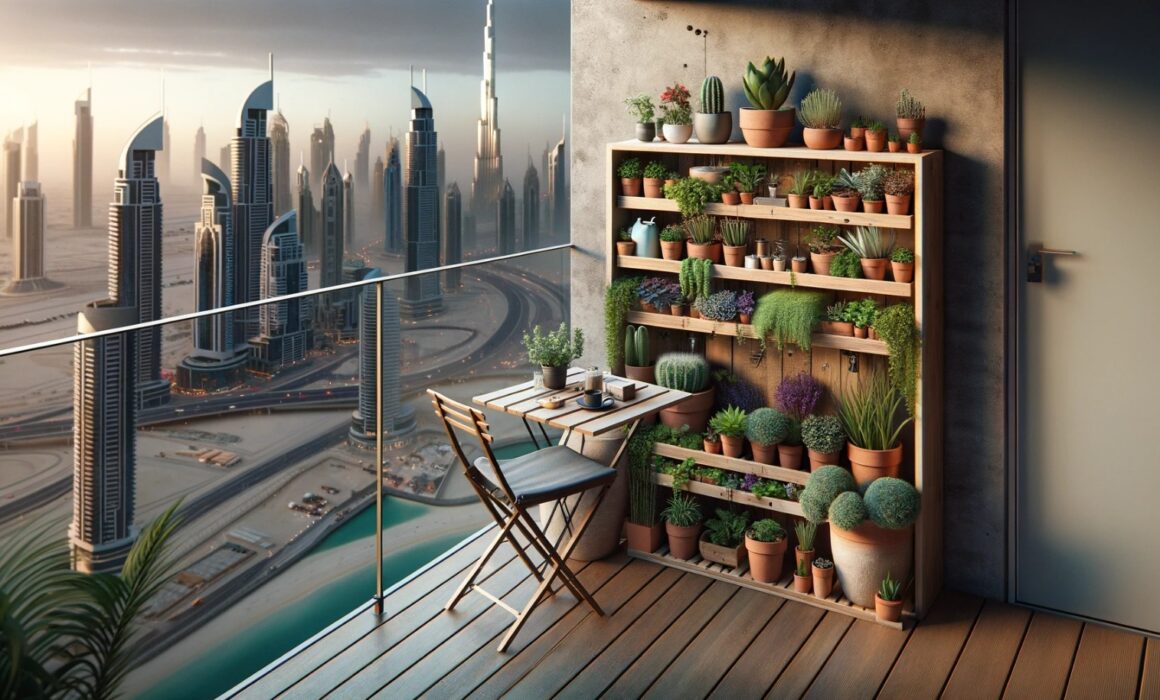
Select plants that are comfortable with the climate of Dubai. Hardy plants that can tolerate the extreme heat, such as cacti, aloe vera, and desert rose, are great options because they need little water. Herbs that grow well in Dubai’s climate, such as mint, basil, and rosemary, can enhance the flavour of your dishes. Other summer-friendly plants such as bougainvilleas, hibiscuses, frangipani, yellow trumpet flowers, or damas trees are also popular choices. They add a refreshing effect to the home garden, provided you take care of them appropriately.  


  1. Invest in Quality Soil and Fertiliser

A good balcony garden starts with high-quality soil. To provide your plants with the essential nutrients they require, choose strong, lightweight containers as well, so they won’t break under the harsh Dubai sun.  Feed your plants with the right soil and fertiliser, all available at the Garden Centre! They need nutrients to grow. Do some research regarding the type of soil and fertilisers that are best suited for your plants. 


  1. Water the garden with care 

Water is a valuable resource, therefore, it’s important to manage its use in your balcony garden in Dubai. Different varieties of plants need different levels of watering. Both over and under-watering can prove to be harmful .Water your plants in the early morning or late at night for best results to reduce evaporation and increase absorption. To keep moisture levels constant and avoid wasting water, make an investment in drip irrigation systems or self-watering pots.


 5. Provide shades

Most plants love sunlight, but extended exposure to Dubai’s intense heat can blister sensitive leaves and make them fade. Arrange your pots so that they receive the right amount of shade and sunlight all day long. To shield your plants from the sun during the warmest part of the day, think about putting in retractable awnings or utilizing shade cloths.

  1. Seasonal Maintenance and Care

 Balcony gardens, like any other, need constant upkeep to be attractive and healthy. Keep an eye out for any indications of pests, illnesses, or nutrient shortages in your plants, and act quickly to remedy any problems you find. To ensure that your balcony garden grows all year round, prune any dead or overgrown vegetation, fertilize as needed, and regularly refresh the soil.

Balcony gardening provides a wonderful opportunity to establish a peaceful environment just outside your home and a connection with the natural world. You may create a flourishing area that increases the beauty and joy of your outside space by following and accepting the chances and limitations of Dubai’s environment.  Contact Green Life Organic Farming LLC, and start your balcony gardening adventure right now!

The Benefits of Companion Planting: Pairing Chillies and Tomatoes

Do you want to turn your small space into a flavorful and fresh haven of greenery?
Living in the UAE, kitchen gardens are very precious. To maximize your harvest and create an ecosystem, companion planting comes in handy.
You can make the most of your kitchen garden in dubai and turn it into a beautiful home where plenty of natural elements exist peacefully.

What is companion planting?

Companion planting is the planting of two or more plants together for the benefit of one or both plants.
It is a sustainable and natural way to manage pests and improve overall garden health, often reducing the need for chemical pesticides and fertilizers.
It promotes whole-plant gardening that focuses on plant species and collaboration, which eventually results in more flourishing and productive garden settings.

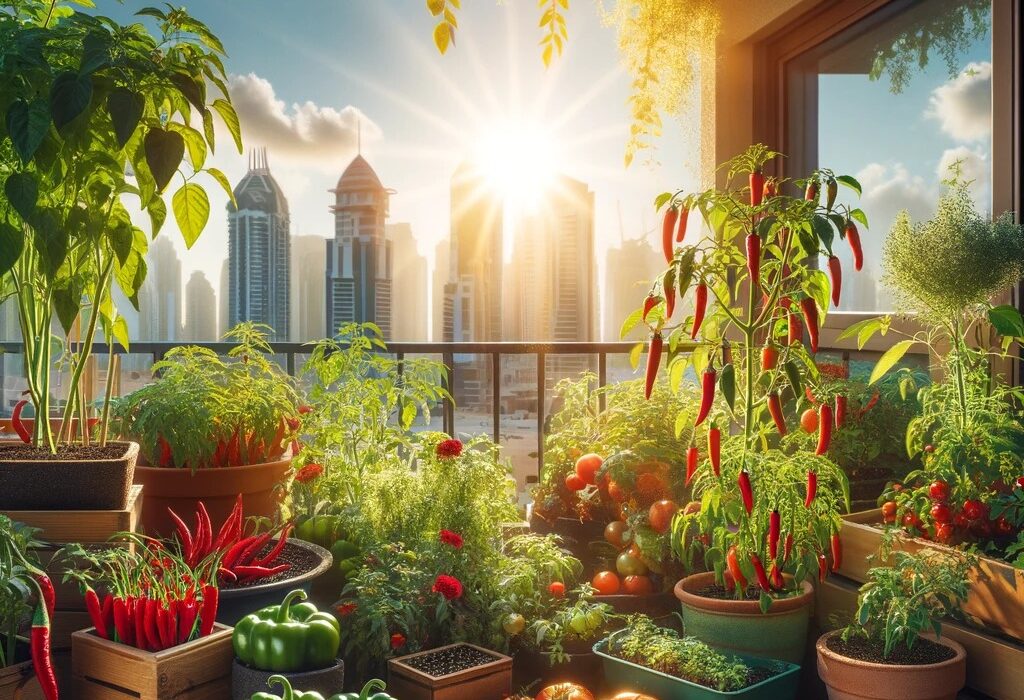
Here we have taken tomatoes and chilies, a dynamic duo that shines in the garden.

Why Pair Chillies with Tomatoes?

Tomatoes, juicy fruits, are grown in warm, sunny environments with well-drained soil.

The colorful and spicy flavors of chilies add a spicy zest to the garden. These heat-loving plants grow similarly to tomatoes, which makes them perfect garden companions. They are rich in vitamins and antioxidants.

Pest Patrol: Chillies strong aroma repels common tomato pests like whiteflies and tomato hornworms. This natural defense can save you from using harsh chemicals.

Shared Benefits: Both chilies and tomatoes love well-drained, sunny spots with slightly acidic soil. By sharing space, you optimize your balcony or your garden

Pollinator Party: The fragrant blooms of both plants attract helpful pollinators like bees and butterflies, boosting fruit production.

Benefits of Companion Planting

Welcome to the amazing world of companion planting, where cooperation and teamwork bring gardens to life! Plants in a companion garden collaborate to grow as much as in a close-knit community.

It’s not just about arranging plants; it’s an approach that utilizes the natural relationships between various species to build healthy ecosystems.

Nutrient Uptake

Companion planting optimizes soil nutrients by pairing plants with different nutrient needs, minimizing competition, and maximizing nutrient uptake.
Plants that require different nutrients from one another combine to form an ecosystem that reduces resource conflict.
Plants work best when paired together since their nutritional needs complement one another’s, avoiding the soil’s ability to lose certain nutrients.

Space Optimization:

Companion planting increases available space by combining plants with changing heights and growth patterns, resulting in more gardens. It’s also a resourceful method of maximizing a small garden area. Companion planting maximizes the potential of your garden by carefully matching plants with varying development requirements and spatial tastes.

Weed suppression:
Companion plants shade the soil or release chemicals that prevent weed growth, minimizing the need for manual weeding.
By selecting plant combinations that shade the soil, release allelopathic compounds, and promote soil health, you can create a weed-resistant landscape that requires little maintenance.
So, say goodbye to back-breaking weeding and embrace the beauty and usefulness of companion planting.

Improved Pollination:
By attracting beneficial insects like bees and butterflies, companion plants boost pollination rates, leading to better fruit and vegetable yields.
So, as you design your garden, keep in mind the crucial role companion plants play in arranging this pollination symphony and invite nature performers to increase the life of your green haven.

In the art of gardening, companion planting with chilies and tomatoes emerges as a harmonious partnership that benefits both plants and gardeners alike.

For a genuinely rewarding and fruitful growing experience, whether you’re an experienced gardener or a beginner, think about utilizing the potential of companion planting with tomatoes and chilies in your  garden.

Companion planting


Natural Pest Control: Boosting Organic Farming in Dubai

In the heart of Dubai’s advancing agricultural scene, organic farming is taking center stage, promising a healthier and more sustainable future for farming. A crucial aspect of organic farming in Dubai is managing pests without resorting to harmful chemicals. This guide explores natural pest control methods that align with the principles of organic farming, ensuring your crops thrive in harmony with nature.

Understanding Organic Farming:

Organic farming in Dubai is more than just avoiding synthetic pesticides; it’s about fostering an ecosystem that supports natural growth and sustainability. By prioritizing soil health and biodiversity, organic farmers create a balanced environment where plants can grow strong and resilient against pests.

Eco-Friendly Pest Control Strategies:

  • Companion Planting:

This age-old practice involves planting certain crops together that naturally repel pests or attract beneficial insects. For example, marigolds can deter nematodes and other pests, making them excellent companions for various vegetables.

  • Biological Control:

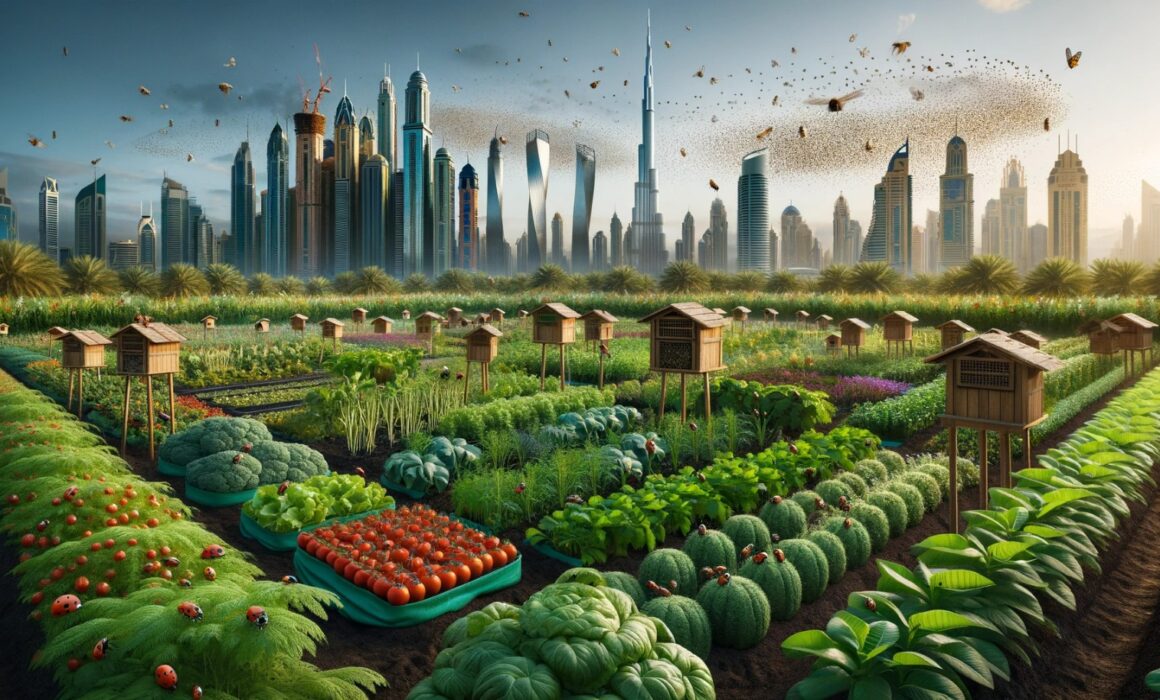
Leveraging natural predators like ladybugs, lacewings, and predatory mites can help control pest populations without chemicals. These beneficial insects are natural enemies to common pests and can be crucial allies in organic farming in Dubai.

  • Neem Oil and Diatomaceous Earth:

Neem oil, extracted from the neem tree, is a powerful organic pesticide that is safe for beneficial insects. Similarly, diatomaceous earth is a non-toxic powder that can effectively control pests like aphids and slugs.

  • Crop Rotation and Diversity:

Rotating crops and planting a diverse array of species can prevent pest infestations. Diverse plantings confuse pests and reduce the spread of pest-borne diseases.

  • Physical Barriers:

Using nets, row covers, and other physical barriers can protect your crops from pests without harming the environment or beneficial insects.

Benefits of Eco-Friendly Pest Control:

  • Sustainable Practices:

By embracing natural pest control methods, organic farming in Dubai contributes to a sustainable agricultural system that respects the environment and conserves resources.

  • Healthier Crops:

Organic practices lead to healthier, more robust crops that are less dependent on chemical inputs, offering better nutrition and taste.

  • Biodiversity:

Organic farming supports a wide range of biodiversity, from soil organisms to pollinators, enhancing the ecological balance of the farming area.

  • Soil Health:

Natural pest control methods contribute to the overall health of the soil, improving its structure, nutrient content, and ability to retain water.

Conclusion:

Organic farming in Dubai is not just about producing food; it’s about creating a sustainable, healthy ecosystem that benefits both the environment and the community. By adopting eco-friendly pest control methods, farmers can protect their crops naturally, ensuring the longevity and success of organic farming in the region. With dedication and the right practices, Dubai’s organic farming scene can continue to flourish, setting a standard for sustainable agriculture in arid climates.


The Therapeutic Benefits of Cultivating an Organic Balcony Garden.

In the bustling city of Dubai, finding a personal oasis of tranquility can be a true treasure. Cultivating a Organic Balcony Garden. in your home is not just about adding a touch of greenery to your urban dwelling; it’s a journey towards creating a sanctuary for peace, healing, and connection with nature. This guide will walk you through the therapeutic benefits of establishing an organic balcony garden, offering you a serene escape in the heart of the city.

The Healing Power of Green Spaces:

The concept of a garden in a balcony goes beyond aesthetic appeal. It’s about bringing nature closer to you, right in your living space. The presence of plants and flowers has been scientifically proven to reduce stress, improve mood, and even enhance air quality. In Dubai’s urban landscape, a balcony garden becomes a vital source of natural beauty and a personal retreat for relaxation.

Easy Steps to Start Your Balcony Garden:

Choosing the Right Plants:                                                                                                                                                              Opt for native or well-adapted species to Dubai’s climate. Consider succulents, herbs, and small flowering plants that thrive in containers and require minimal water.

Organic Soil and Compost:
Invest in high-quality organic soil and compost to ensure your plants get the nutrients they need without harmful chemicals. This promotes a healthier environment for you and the local wildlife that visits your balcony.

Watering Wisely:
Given Dubai’s arid climate, it’s essential to water your plants efficiently. Early morning or late evening watering reduces evaporation and ensures your plants stay hydrated.

Container Gardening:
Utilize pots and planters that fit your balcony’s size and aesthetic. Ensure they have proper drainage to prevent overwatering.


Benefits of a Organic Balcony Garden:

Stress Reduction:
Engaging with your garden in a balcony offers a peaceful break from the digital world, reducing stress and promoting mental well-being.

Enhanced Air Quality:
Plants act as natural air purifiers, absorbing pollutants and emitting oxygen, which is especially beneficial in an urban setting like Dubai.

Sustainable Living:
Growing your own herbs and vegetables contributes to a sustainable lifestyle, reducing your carbon footprint and encouraging eco-friendly practices.

Aesthetic Appeal:
A beautifully maintained balcony garden adds visual appeal to your home, making it a more inviting and pleasant space to live in.

Conclusion:

Creating a garden in your balcony in Dubai is more than a hobby; it’s a step towards a healthier, happier lifestyle. It allows you to reconnect with nature, enjoy the therapeutic benefits of gardening, and transform your balcony into a serene haven amidst the city’s hustle and bustle. Start small, be patient, and watch as your balcony garden becomes a source of joy and tranquility in your daily life.

Remember, every plant you nurture in your balcony garden is a step towards a greener, more sustainable future. Embrace the journey and let your garden be a testament to the beauty and resilience of nature in the heart of Dubai.


Mastering Tomato Pruning: Tips for a Thriving Harvest

Welcome to our blog post on tomato pruning! I’m here to provide you with valuable insights and tips on how to effectively prune your tomato plants for optimal growth and a bountiful harvest. Let’s dive right in!

Why Prune Tomato Plants?

Pruning tomato plants is an essential practice that helps promote better air circulation, reduce disease risks, and encourage the plant to focus its energy on producing larger, tastier fruits. By removing unnecessary foliage and suckers, you can ensure that your tomato plants receive adequate sunlight and nutrients, leading to healthier and more productive plants.

When to Prune:

It’s important to know the right time to prune your tomato plants. Generally, pruning should be done when the plants have developed a few sets of true leaves and are around 12-18 inches tall. This is usually a few weeks after transplanting them into the garden or once they have established themselves in containers.

How to Prune Tomato Plants:

  1. Remove Suckers: Suckers are the small shoots that emerge from the leaf axils, found between the main stem and the branches. While they may develop into additional stems, removing them allows the plant to direct its energy towards fruit production. Use clean pruning shears or your fingers to pinch off these suckers when they are small, ideally before they grow more than a few inches long.
  2. Remove Lower Foliage: As your tomato plants grow, it’s common for the lower leaves to turn yellow or become shaded by the upper foliage. These leaves are less productive and can be pruned to improve air circulation and reduce the risk of diseases. Remove the lower leaves carefully, avoiding any damage to the main stem.
  3. Support the Main Stem: Tomato plants tend to grow tall and can become top-heavy with fruits. To support the main stem, use stakes, cages, or trellises. As the plant grows, gently tie the main stem to the support structure using soft plant ties or twine. This will prevent the stem from bending or breaking under the weight of the fruits.

Conclusion:

Pruning tomato plants is a simple yet effective technique to enhance their overall health and productivity. By removing suckers, lower foliage, and providing proper support, you can ensure that your tomato plants thrive and produce an abundant harvest. Remember to always use clean tools and be gentle when pruning to avoid any damage to the plants. Happy pruning and enjoy your homegrown tomatoes!