

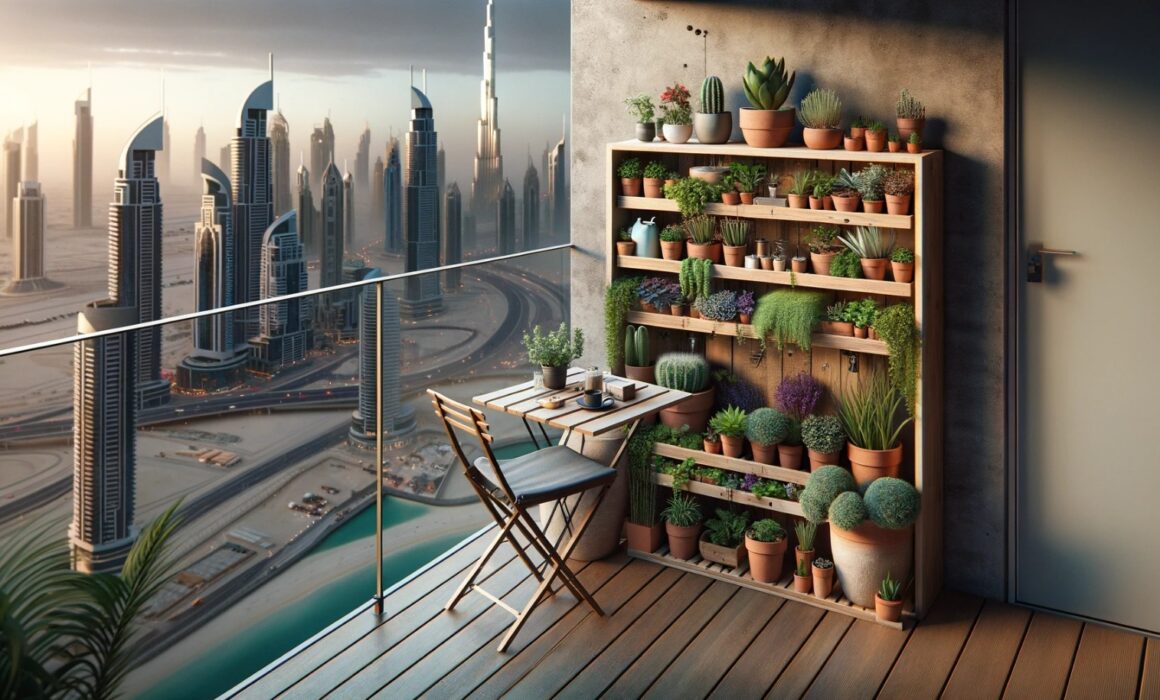
In the bustling city of Dubai, finding a personal oasis of tranquility can be a true treasure. Cultivating a Organic Balcony Garden. in your home is not just about adding a touch of greenery to your urban dwelling; it’s a journey towards creating a sanctuary for peace, healing, and connection with nature. This guide will walk you through the therapeutic benefits of establishing an organic balcony garden, offering you a serene escape in the heart of the city.
The Healing Power of Green Spaces:
The concept of a garden in a balcony goes beyond aesthetic appeal. It’s about bringing nature closer to you, right in your living space. The presence of plants and flowers has been scientifically proven to reduce stress, improve mood, and even enhance air quality. In Dubai’s urban landscape, a balcony garden becomes a vital source of natural beauty and a personal retreat for relaxation.
Easy Steps to Start Your Balcony Garden:
Choosing the Right Plants: Opt for native or well-adapted species to Dubai’s climate. Consider succulents, herbs, and small flowering plants that thrive in containers and require minimal water.
Organic Soil and Compost:
Invest in high-quality organic soil and compost to ensure your plants get the nutrients they need without harmful chemicals. This promotes a healthier environment for you and the local wildlife that visits your balcony.
Watering Wisely:
Given Dubai’s arid climate, it’s essential to water your plants efficiently. Early morning or late evening watering reduces evaporation and ensures your plants stay hydrated.
Container Gardening:
Utilize pots and planters that fit your balcony’s size and aesthetic. Ensure they have proper drainage to prevent overwatering.
Benefits of a Organic Balcony Garden:
Stress Reduction:
Engaging with your garden in a balcony offers a peaceful break from the digital world, reducing stress and promoting mental well-being.
Enhanced Air Quality:
Plants act as natural air purifiers, absorbing pollutants and emitting oxygen, which is especially beneficial in an urban setting like Dubai.
Sustainable Living:
Growing your own herbs and vegetables contributes to a sustainable lifestyle, reducing your carbon footprint and encouraging eco-friendly practices.
Aesthetic Appeal:
A beautifully maintained balcony garden adds visual appeal to your home, making it a more inviting and pleasant space to live in.
Conclusion:
Creating a garden in your balcony in Dubai is more than a hobby; it’s a step towards a healthier, happier lifestyle. It allows you to reconnect with nature, enjoy the therapeutic benefits of gardening, and transform your balcony into a serene haven amidst the city’s hustle and bustle. Start small, be patient, and watch as your balcony garden becomes a source of joy and tranquility in your daily life.
Remember, every plant you nurture in your balcony garden is a step towards a greener, more sustainable future. Embrace the journey and let your garden be a testament to the beauty and resilience of nature in the heart of Dubai.