

How Often Should You Actually Maintain Your Vegetable Garden?
My initial approach towards growing vegetables was only to water the plants once a week and allow nature to do the remaining work by herself. However after approximately three weeks I found myself with a field of weeds which were taller than my tomato seedlings and left asking myself what had gone wrong.
The honest answer nobody tells you upfront: a vegetable garden needs your attention more than you’d expect — but it doesn’t have to eat up all your free time.
Here’s how I actually break it down..
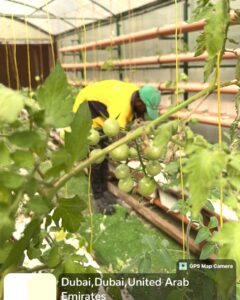
Home Vegetable Farming
A quick look every single day (seriously, just 5 minutes)
You might be thinking it sounds like a full day job but I assure you it really isn’t. Walking over to your plants every day isn’t difficult, then you simply poke at your plants to see if they need water by checking the ground or watching for any unusual activity (e.g. browning of leaves due to over watering). Pulling one or more weeds out feels easy. Overall it will take less than 30 minutes a day.. The whole point is catching problems early — a few aphids today is much easier to deal with than an infestation next week.
A proper session once a week (about 30–60 minutes)
This is where you actually get your hands dirty. When soil is drying quickly, watering deeply. Weeding correctly by pulling up the weed completely, not just breaking the root off at the surface. Trimming yellow and dead leaves off of plants. Assessing whether any of your climbing plants need some form of support. After you develop this habit it starts to become less of a job and more like a little quiet time outdoors.
A deeper dig once a month (an hour or two)
This one’s about the long game. Add compost, check your soil, look out for any signs of disease creeping in, and think about whether plants are getting too crowded. Soil health doesn’t announce itself loudly — it quietly affects everything. Good soil month after month means noticeably better harvests.
Adjusting with the seasons
This took me a while to figure out, but every season genuinely needs a different approach. Summer means watering more frequently and keeping an eye out for heat stress. During heavy rains, drainage becomes your main concern — soggy roots are a disaster. And in cooler months, you scale back watering and pick crops that actually enjoy the cold.
Signs your garden is asking for help
Yellow leaves, plants that seem stuck and not growing, visible insects, or those fuzzy fungal spots on leaves — these are your garden waving a flag. If you spot any of these, don’t wait for your next scheduled session. Get in there and deal with it.
Can you skip maintenance for a while?
Technically yes. But you’ll pay for it. Even two weeks of neglect can mean a weed takeover, pest damage, or plants that just give up trying. Gardening isn’t about being perfect every day — it’s about showing up consistently enough that small problems don’t become big ones.
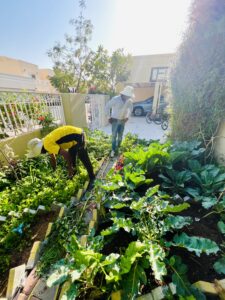
Do you need professional help?
The majority of people find success when beginning their gardening journey by one being hands-on and are thereby gaining new skills along the way; however, as your garden grows from an initial idea into something real that takes up more time than you have available, seeking out assistance may not be a bad choice. There are many areas where professional gardeners excel like testing soil, administering pest management techniques, creating maintenance schedules or providing assistance with these services so that you do receive good results while maintaining your own sanity.
The routine really is simple when you strip it back: a glance every day, a proper session each week, and a deeper look once a month. That’s all it takes to keep a vegetable garden healthy and actually producing food you’re proud of.
Start small, stay consistent, and don’t overthink it. The garden will show you what it needs — you just have to be around often enough to notice.