
Category: Blogs

Garden Maintenance in Dubai | Effective Methods for Keeping Your Garden Weed Free

Tips for gaeden Maintenance in dubai a Weed-Free Garden Gardens may provide a peaceful and enjoyable environment for both plants and animals. However, the invasive nature of weeds can make garden maintenance in dubai a never-ending challenge. Establishing a weed-free garden not only improves the aesthetics of your green space, but also supports plant health. Here are some excellent ways to keep your garden healthy and weed-free.

Understand your garden

Before you start weeding, you need first to grasp your garden’s special conditions. Soil type, climate, and native plant species all influence which weeds are more likely to thrive in your location. Understanding these variables allows you to adapt your weed management strategies effectively.


Prevention is key

Garden upkeep begins with prevention. Here are some proactive steps to maintain your yard weed-free:

Mulching: Applying a thick layer of mulch is one of the most effective ways to control weeds. Mulch keeps sunlight from reaching the soil, preventing weed seeds from developing. Organic mulches, such as wood chips or straw, boost soil health as they decompose.

Landscape fabric is a good option for more permanent plantings. This barrier is placed around plants or over entire beds to keep weeds out while enabling water and air to reach the roots of your preferred plants.

Dense planting reduces the available room for weeds to develop. When plants are tightly spaced, they shade the soil and reduce the amount of sunlight available to weeds.

Regular Maintenance

Consistency in garden maintenance in dubai is essential for weed-free gardens. Weeding regularly is required to keep weeds from maturing and re-seeding, which can quickly expand the weed population.

Hand Weeding: This method is great for removing individual weeds and provides precision without damaging neighbouring plant roots. It works best when the soil is damp, as the entire root system is easier to take out.

Hoeing: For bigger areas with young, soft weeds, hoeing can be a time-saving option. It removes weeds at the base, ideally just below the soil level, preventing them from resprouting.

Using herbicides

While cultural and mechanical approaches are preferable for keeping weeds away in a garden, herbicides may be required on occasion, particularly in cases of strong weed infestations. When selecting herbicides, consider the following:

1.Selective herbicides: These chemicals kill certain weed species while leaving other plants unscathed. They are good for weeds that have grown between ornamentals or crops.

2.Non-selective herbicides: Use with caution because they kill any plant they come into touch with. They are appropriate for clearing out regions where you intend to establish new garden plots.

Always follow the manufacturer’s recommendations to reduce environmental effects and avoid injury to non-target plants.

Natural and Organic Options

Those who desire a more eco-friendly approach to garden management can consider numerous natural methods:

  1. Vinegar: Regular home vinegar can be a powerful organic herbicide. Vinegar contains acetic acid, which will dry up and kill new weeds. This approach is non-selective, thus it should only be used on weeds.
  2. Boiling Water: Using boiling water to destroy weeds can be an efficient alternative to using chemicals. This procedure is quick and effective, especially for weeds growing in cracks along walkways or driveways.
  3. Corn Gluten Meal: This natural byproduct suppresses root development in weeds during germination. It is most effective when administered before the weeds develop.

keeping your garden weed-free involves a combination of preventative measures, frequent maintenance, and, in some cases, the cautious application of herbicides. With these practical garden maintenance in dubai tactics, you may have a healthy, vibrant, and weed-free garden. Dedication to these methods will ensure that your garden stays a lovely and relaxing retreat for many years to come.

A weed-free garden not only helps to maintain the biological balance of your outdoor space, but it also demonstrates the cautious and considerate work of an attentive gardener. With these tactics, you’ll be well-equipped to keep your garden healthy and beautiful, allowing it to thrive in harmony with nature.

Organic Gardening Tips for Beginners in Dubai

Organic gardening is becoming increasingly popular around the world, including in Dubai. With its distinct temperature and growth circumstances, taking an organic approach to your garden in Dubai may be both rewarding and difficult. Whether you have a little balcony or a large backyard, green life Organic Gardening Tips can help you to  grow a healthy and successful garden. Here are some vital ideas to help you get started with your organic gardening journey in Dubai.


Understanding Dubai’s Climate

Dubai’s climate is mostly arid, therefore, water conservation is essential. Summers can be quite hot, with temperatures often topping 40°C, whilst winters are warm and pleasant. Such conditions necessitate specific consideration for the types of plants you select and their water requirements.

  1. Choosing the Right Plants

Choose plants that will thrive in Dubai’s hot and dry climate. Native plants or those adapted to similar conditions, such as bougainvillea and dates, as well as specific types of herbs like mint and basil, are excellent choices for novices. These plants are more likely to grow, requiring less water and care.

  1. Soil preparation

Dubai’s soil is sandy and low in nutrients. It is critical to replenish your soil when gardening organically. Begin by adding organic compost, which you can make from kitchen scraps such as fruit and vegetable peels. Composting not only increases soil fertility but also aids in moisture retention, which is critical in arid climates.

  1. Water Management

Effective water management is crucial in Dubai. Drip irrigation is an ideal approach for organic gardening since it sends water straight to the roots of the plants, reducing waste. Mulching is another important method that entails covering the soil around your plants with organic matter, such as leaves or straw to prevent water evaporation.

  1. Natural Pest Control

Avoiding chemical pesticides is an important principle in organic gardening. You may naturally control pests by attracting beneficial insects such as ladybirds and lacewings, which feed on dangerous pests. Neem oil and DIY sprays made from garlic or chili can also help keep pests away while protecting your plants.

  1. Organic fertilisers

Instead of synthetic fertilisers, use organic solutions that release nutrients gradually and boost soil health. Organic fertilisers such as fish emulsion, seaweed extract, and bone meal supply vital nutrients to plants and promote long-term growth.

  1. Seasonal planting

Knowing the growth seasons in Dubai is essential for organic gardening. Plant your seeds during the cooler months of October to March, when conditions are more conducive to growth. This time allows your plants to establish themselves without the burden of the intense summer heat.

  1. Regular maintenance

Regular inspection and upkeep of your garden are critical to its success. This includes cutting dead or diseased branches, inspecting for pest infestations, and ensuring that your plants have enough water and nutrients. A well-kept garden is less likely to have serious issues and will be more fruitful.

  1. Learning and Patience

Organic gardening is a journey that takes perseverance and a willingness to learn and adapt. Every plant and season can teach you something new about gardening. Connect with local gardening communities online or in-person to exchange advice, seeds, and experiences. These networks can be wonderful resources for inexperienced gardeners.

  1. Start Small

If you are new to organic gardening, start small. A few pots or a tiny patch will allow you to master the fundamentals without becoming overwhelming. As you acquire confidence and experience, you can progressively grow your garden.

  1. Enjoy the process

Finally, remember that gardening should be a relaxing and enjoyable experience. Enjoy the physical activity, connection with nature, and satisfaction of growing your own. If you need anay help with Organic Gardening contact Green Life Organic Farming LLC 

Organic gardening in Dubai presents unique obstacles due to the environment, but it can also be quite rewarding with the correct expertise and instruments. By following these organic gardening ideas, you may build a thriving garden that brings beauty and food into your home. Accept obstacles, keep learning, and reap the benefits of your efforts. If you need any help with Organic gardening, contact Green Life Organic Farming LLC and have fun planting!


The Top 10 Benefits of Vertical Farming

Vertical farming is changing the way we think about agriculture . By stacking crops vertically,  farming technology maximizes space efficiency while also providing significant environmental and economic benefits. Here are the Top 10 Benefits of Vertical Farming, which demonstrate why this method is becoming a wonderful solution.

  1. Maximised Space Usage

The ability to save space is one of the most significant advantages. In cities where horizontal land is scarce and expensive, This makes use of vertical space, allowing more crops to be grown in a smaller footprint. This is especially useful in heavily crowded cities, where traditional farming is not practical.

  1. Increased crop yield

It may grow crops year-round, regardless of seasonal variations, resulting in higher yearly yields than regular farming. The regulated atmosphere promotes optimal growing conditions, reducing growth cycles and allowing farmers to harvest more frequently per year.

  1. Resource Efficiency

Water efficiency is a key feature of farming. These methods use up to 70% less water than open-field farming since water may be recycled within a confined environment. Furthermore, vertical farming frequently use hydroponics or aeroponics, which require substantially less water than soil-based growing methods.

  1. Lower Transportation Costs and Pollution

It lowers the need for long-distance transportation by positioning farms closer to urban consumers. This not only lowers transportation costs but also minimizes the carbon emissions and pollution associated with transporting products from traditional farms to markets.

  1. Reduced use of chemicals

Vertical farming conditions can be precisely managed and free of pests and pathogens. As a result, pesticides and herbicides are used less frequently, limiting chemical runoff into the environment and producing healthier, cleaner fruit.

  1. Climate Resilience

Climate change is a major challenge to traditional farming. Vertical farms, on the other hand, are relatively unaffected by weather, ensuring food production in the face of adverse weather catastrophes such as droughts and floods. This enables vertical farming.

  1. Energy Efficiency

Modern vertical farms use energy-efficient technologies like artificial LED lighting that mimics sunlight. These are more energy efficient than traditional grow lights and can be fine-tuned to provide the particular light spectrum required for plant growth, resulting in even greater energy savings.

  1. Encourages local food production

It promotes local food production, minimising the need for imports. This not only benefits local businesses, but it also ensures that customers have access to fresher products, improving food security in cities.

  1. Minimal impact on ecosystems

Deforestation, soil degradation, and biodiversity loss are all common outcomes of traditional farming. It benefits the environment by reducing the land footprint required for agriculture, which preserves ecosystems and reduces land use pressures.

  1. Scalability & Versatility

Vertical farms can be created in a number of environments, including abandoned warehouses, skyscrapers, and residential neighborhoods. It’s versatility and scalability make it an appealing alternative for towns trying to include more green solutions and encourage sustainable living.

It is more than just a technique of food production; it is a new strategy that addresses many of modern agriculture’s sustainability issues. With its multiple advantages, ​​ Hydroponics is positioned to play a critical role in how cities approach food production, providing a sustainable, efficient, and productive means of meeting the world’s food demands. As technology progresses and more people move to cities,  Hydroponics is anticipated to become an important component of urban development initiatives, assisting cities in becoming more self-sufficient while decreasing their environmental impact.

By embracing this, we can move towards a more sustainable and food-secure future, demonstrating that new solutions can benefit both people and the environment.

Contact Green Life Organic Farming today to explore your options and make a positive change for the future.


Strategies for Successful Organic Farming in Dubai

Organic farming practices are becoming increasingly popular in Dubai, a city known for its creative approach to challenges. The change is more than a trend; it is a big step towards sustainable agriculture in an arid region with limited water supplies.

Explore green life organic farming that can make Dubai both successful and sustainable.

Understanding the Climate and Soil

Dubai’s environment is defined by extreme temperatures, low rainfall, and high evaporation rates, making traditional farming difficult. Understanding and adjusting to the local climate is the first step towards successful farming in Dubai. Organic farmers must choose crops that are heat and drought-resistant, such as dates, figs, pomegranates, and some leafy greens like spinach and Swiss chard.

Dubai’s sandy soil presents additional issues, as it frequently lacks vital nutrients required for proper plant growth. Organic farmers can increase soil fertility by incorporating organic matter like compost, which helps absorb water and minerals. Regular soil testing is critical for determining the soil’s demands and monitoring the effectiveness of organic additions.

Selecting the Right Crops

Not all crops survive in the harsh Dubai climate. Choose heat-tolerant and drought-resistant types. Dates, tomatoes, cucumbers, and leafy greens such as spinach and kale are among the greatest options in Dubai. These crops can grow with little water and adapt well to high temperatures.

Water Management

Efficient water management is the crucial form in Dubai. Drip irrigation and mulching can help reduce water waste by sending water directly to plant roots and lowering evaporation. Furthermore, collecting and utilising greywater and precipitation can provide additional water sources without overburdening the local water supply.

The use of Renewable Energy 

Dubai’s abundant sunlight is a valuable resource that can be used to power solar plants. Solar panels can power irrigation systems, cooling units for storage, and other farm operations, reducing the farm’s carbon footprint and lowering operational expenses.

Market for Organic Products

The demand for organic products in Dubai is increasing as citizens become more health-conscious. To make a profit from this trend, organic producers must properly market their products. This includes proper labeling, certification, and education on the advantages of organic products. Participating in local farmers’ markets and joining cooperatives can also help small farmers get market access and strengthen their negotiating position.

Pest Management

It forbids the use of synthetic pesticides, requiring farmers to rely on natural pest control measures.

1. Integrated pest management (IPM).

IPM uses a variety of strategies, including selecting disease-resistant types, rotating crops, and promoting natural predators in the farm ecosystem. Pheromone traps and trap crops that entice pests away from the main crops are both successful techniques.

2.Biological Control.

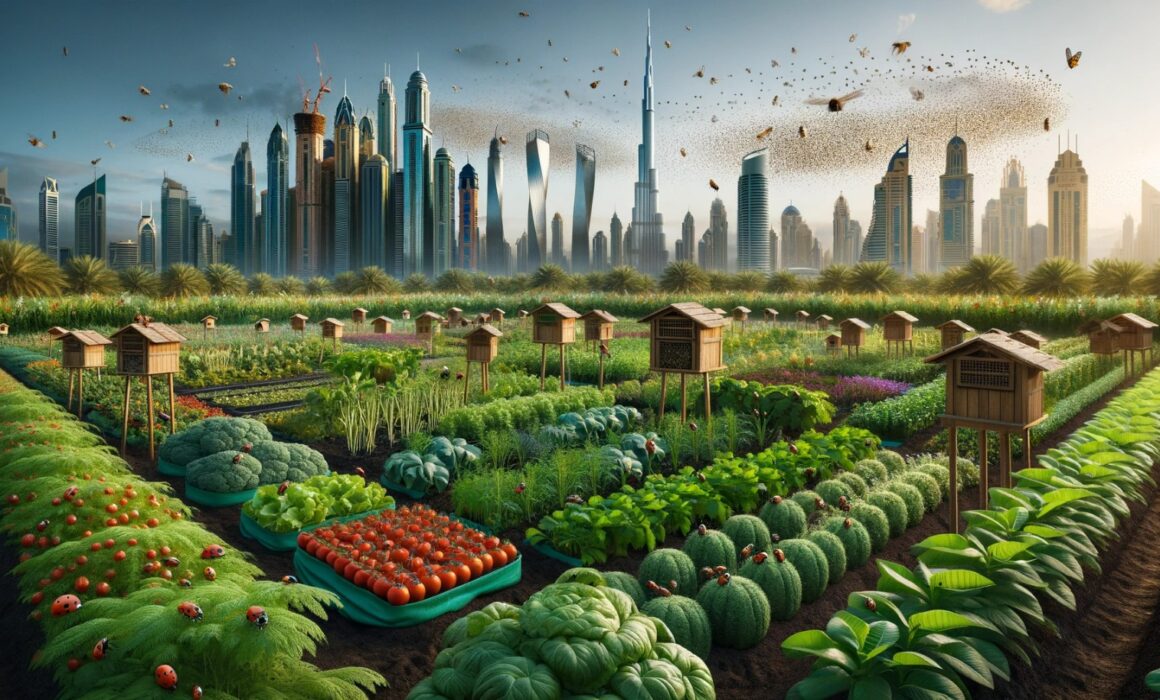
Using biological agents such as ladybirds, which feed on aphids, or introducing nematodes, which attack soil pests, can help keep pest populations under control while minimising environmental impact.

Community Support

The cooperation of local and community organisations is critical to the success of organic farming in Dubai. Farmers can greatly benefit from government efforts that offer training, rewards for organic certification, and research into sustainable farming practices. Community-supported agriculture (CSA) programs can also boost local participation while providing farmers with an ongoing marketplace for their products.

Successful farming in Dubai requires an in-depth strategy that takes into account the region’s distinct environmental concerns. It can succeed by tailoring agricultural operations to the local climate and soil, managing water efficiently, selecting appropriate crops, and applying long-term pest management strategies. With the additional backing of government regulations, community initiatives, and continuous education, Dubai can establish a robust and sustainable sector to fulfill the expanding demand.

As Dubai increases its focus on sustainability, the organic family emerges as a vital player in supporting environmental health and food security. The practices presented here not only help to ensure successful farming in Dubai but also establish a standard for organic farming in similar regions around the world.


Simple Steps to Design Your Perfect Kitchen Garden in Dubai

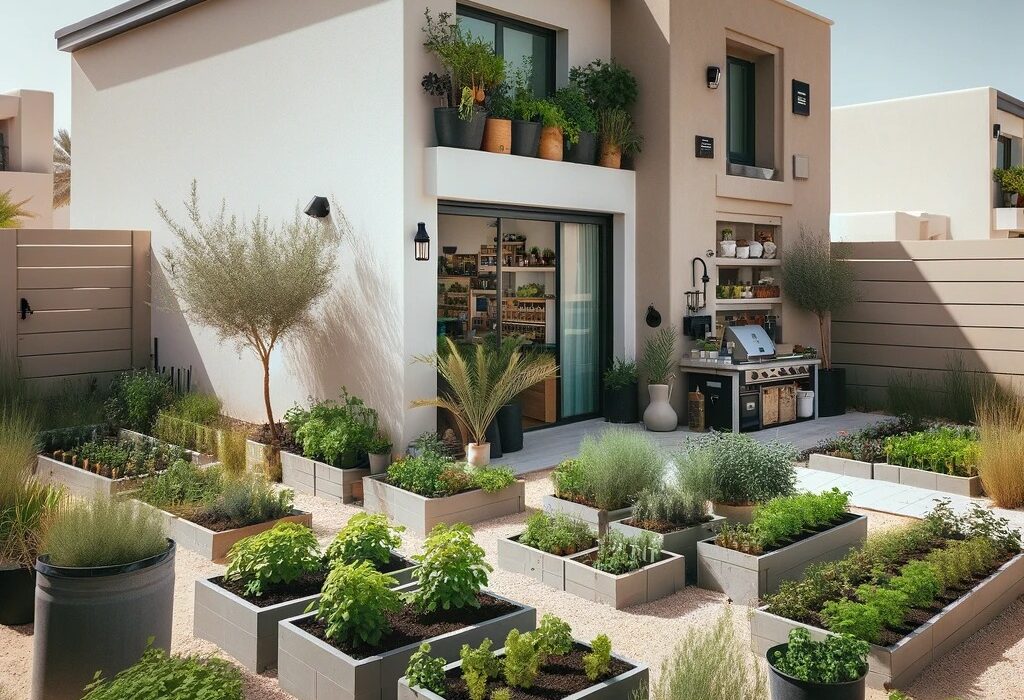
Creating a kitchen garden in Dubai can be a rewarding and practical way to promote sustainability and confirm a steady supply of fresh produce at your doorstep. With the appropriate approach and a few basic gardening principles, you can turn any little space into a thriving garden. Here’s how to start your own kitchen garden in Dubai, taking advantage of the local climate and your personal preferences.

STEPS TO GROW A KITCHEN GARDEN IN DUBAI

  1. Choose the Right Location. 

The first step in designing your kitchen garden in Dubai is to choose the proper location. Most veggies and herbs require hours of sunlight per day, so your garden should get at least that much. Consider spaces such as balconies, outdoor spaces, or even a tiny backyard. If you have limited room, vertical gardening might be a great solution because it allows you to grow upwards rather than outwards.

  1. Choose Right Plants.

Not all plants flourish in Dubai’s hot climate, so select types that can withstand the heat. Choose heat-tolerant veggies, such as tomatoes, cucumbers, and peppers, as well as herbs like basil, thyme, and mint. These plants can tolerate extreme temperatures and require little water, making them ideal for the region.

  1. Prepare your soil.

Soil preparation is essential for any garden, especially in Dubai, where the natural soil can be sandy and lacking in nutrients. Add compost and organic materials to your garden beds to increase soil structure and fertility. Consider raised beds to improve soil quality and ease of management for your plants.

  1. Implement Efficient Watering Techniques.

Water efficiency is critical in Dubai’s dry climate. Drip irrigation is one of the most effective watering strategies for a kitchen garden since it provides water directly to the plant roots, reducing evaporation and waste. Mulching around your plants can also assist in maintaining soil moisture, reducing the need for regular watering.

  1. Select the Right Containers.

If you decide to have a container garden, you must choose the right containers. Use containers that are large enough to support the plant’s growth and have appropriate drainage holes. Materials such as ceramic or clay are preferred because they assist regulate soil temperature.

Gardening Tips for Continuous Harvesting

  1. Crop rotation helps to minimize soil depletion and disease.
  2. Harvest frequently to encourage more growth, especially with herbs and leafy greens.
  3. Companion planting may increase plant health and results. For example, growing marigolds can naturally repel pests.

Adjusting to the seasons

While Dubai’s temperature is generally warm, the slightly cooler months of November through March are good for growing a larger range of vegetables. This is the greatest time to experiment with plants that may not be able to withstand the high summer temperatures.

Benefits of Kitchen Gardening

There are numerous benefits to kitchen gardening. It basically allows you to enjoy fresh, organic foods that you can make. Therefore, you’ll have access to a diverse range of nutritious fruits and vegetables cultivated without the use of harmful pesticides and chemicals.
Growing food instead of relying on store-bought fruit from afar is also a great way to reduce your carbon footprint.


It is a pleasant experience that may bring health, happiness, and a touch of nature into your city life. By following these simple steps and combining fundamental gardening techniques, you can create a garden that not only survives but flourishes in the Dubai environment. Remember that recognising and working with your local environment is essential for a successful kitchen garden. Happy gardening.

By carefully arranging your kitchen garden, you’ll discover that this small patch of green not only beautifies your house but also helps to a more sustainable living in Dubai. Whether you’re an experienced gardener or a newbie, Green Life Organic Farming LLC will help you grow a profitable and beautiful kitchen garden.


All You Need to Know Before Starting a Balcony Garden

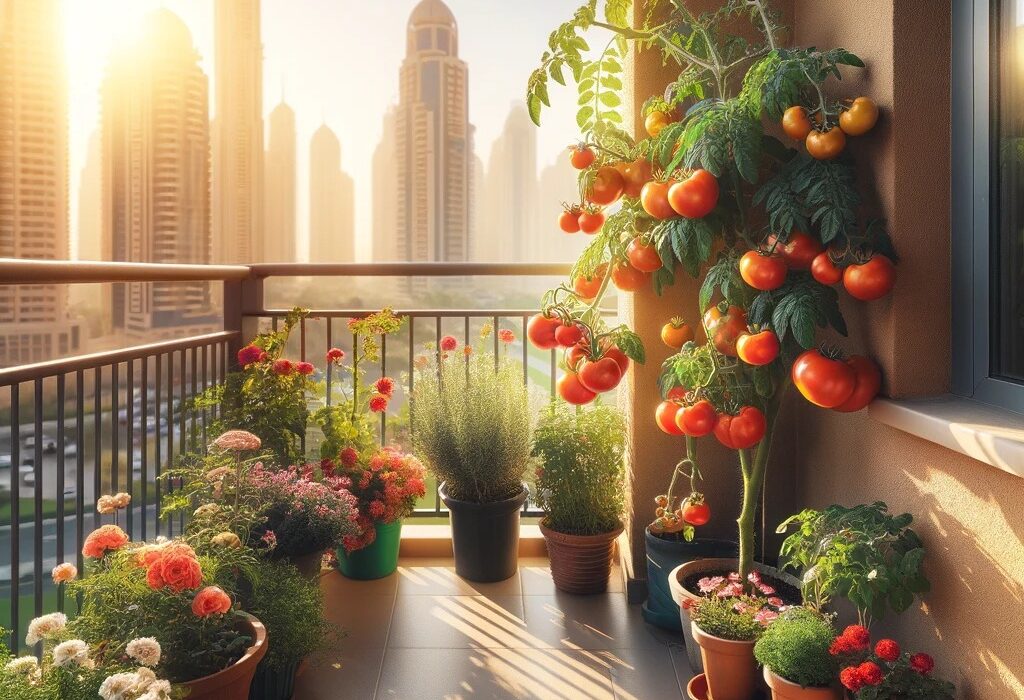
Starting a balcony garden in dubai can turn your outside area into a lush, green haven amid the urban landscape. Gardening on the balcony not only beautifies your home but also provides a rewarding hobby that can improve your well-being.  A couple of pots, some potting mix, some seeds or vegetable cut-outs from your kitchen, and, of course, water are all you really need for a simple start.

We will cover all you need to know before starting your balcony garden in dubai journey, with a focus on essential tips and garden care for balconies.

1. Assessing Your Balcony Conditions

The first step in successful gardening on a balcony is to look at the circumstances of your location. Consider sunshine exposure, wind strength, and your balcony’s weight capability. Different plants require different light conditions, so it is critical to monitor the amount of sunlight your balcony receives throughout the day and select plants accordingly.

2. Selecting the Right Plants

The choice of plants plays a role in balcony gardening. Choose plants that are appropriate for the circumstances on your balcony. If you have a sunny balcony, consider planting herbs such as basil, rosemary, and thyme, as well as veggies like tomatoes and peppers. Ferns, begonias, and peace lilies are excellent plants for shaded balconies. Remember that the correct plants will grow with minimal work, producing lush greenery or dazzling blossoms.

3. Containers and Soil

Selecting the right containers and soil is essential for garden care for balcony spaces. Garden care for balcony spaces requires careful selection of the appropriate containers and soil. Use a high-quality potting mix specifically formulated for container planting to ensure optimal drainage and nutrient retention. Select containers with drainage holes to avoid waterlogging, which can harm plant roots. Consider the size and depth of the containers based on your plants’ root requirements.

4. Watering and feeding

Gardens on the balcony need more regular watering than garden bed plants due to low soil volume and faster drying conditions. However, avoid overwatering, since it might cause decay in the roots. To offer essential nutrients and encourage healthy growth, establish a regular feeding schedule and use a balanced, water-soluble fertilizer.

5. Pest and Disease Management

Pests and diseases can be more easily managed in a balcony garden due to the contained environment. The enclosed setting makes pests and pathogens easier to maintain in a balcony garden. Inspect your plants regularly for symptoms of pests or illnesses, and act quickly if necessary. Organic pest management options, such as neem oil or insecticidal soap, can successfully manage pests while remaining safe for both you and the environment.

6. Maximising space

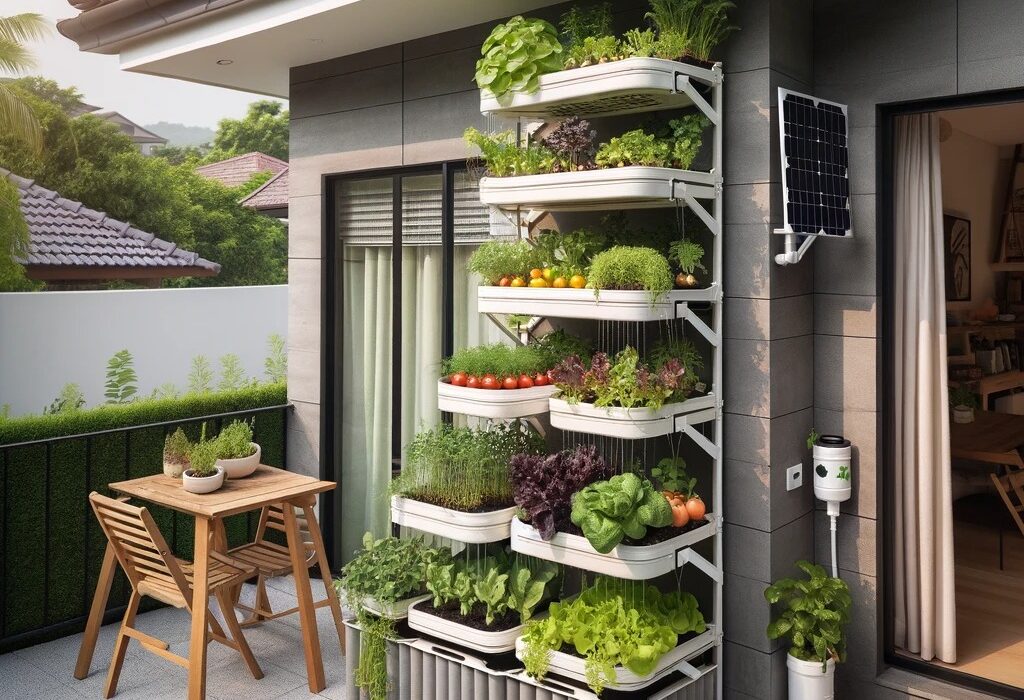
Balcony gardening frequently requires little space, so creativity is essential. Use vertical gardening options, such as wall planters or hanging baskets, to add greenery without taking up floor space. Layered plant stands and fence planters are other great ways to maximize space.

7. Seasonal Care

Gardening on a balcony requires responding to seasonal variations. During severe weather, move your plants to more sheltered areas to protect them from excessive temperatures. To keep plants healthy and active, seasonal garden maintenance for balcony areas includes rotating crops, trimming, and renewing the soil.

8. Enjoying Your Balcony Garden

Finally, save some time to enjoy the results of your hard work. In addition to providing a peaceful haven, a balcony garden allows you to experiment with plant combinations, cultivate your own food, and reap the health advantages of gardening. A balcony garden may significantly improve your quality of life, whether you’re enjoying your coffee in the morning while surrounded by greenery or gathering herbs that you’ve grown yourself for food.

With the correct planning and attention, gardening on a balcony can be a fulfilling experience with Green Life Organic LLC. You may develop a flourishing garden that brings joy and nature into your modern home by knowing the particular requirements of your balcony space, selecting appropriate plants, and following good garden care for balcony techniques. Whether you’re a beginner or an expert gardener.


Top 10 Lawn Maintenance Secrets from Experts

Maintaining a lush, green lawn is no small feat, especially in a climate as challenging as Dubai’s. For homeowners and gardening enthusiasts, knowing the best lawn maintenance in Dubai is essential due to the region’s harsh weather and dry environment.


WHAT IS LAWN, AND WHY DO WE NEED LAWN MAINTENANCE?

A lawn is an area of soil-covered land planted with grasses and other durable plants that are maintained at a short height. Lawns are a common feature in gardens, public landscapes, and parks, serving both functional and decorative purposes. They contribute to the green space in the environment by offering a place for outdoor activities and relaxation and enhancing the overall beauty of the surrounding area.

  1. Health and Well-Being: Interacting with green spaces like lawns can enhance mental health and promote physical activity.
  2. Environmental Benefits: Lawns improve air quality by capturing pollutants and producing oxygen, while also helping to cool surrounding areas.
  3. Pest and Weed Control: Regular care helps manage pests and weeds, keeping the lawn healthy and reducing the need for chemicals.

Here, we share the top 10 tips for healthy lawns and establish Dubai as a leader in lawn care.

  1. Understand Your Grass Type

Because of Dubai’s unique climate, it is necessary to select grass varieties that do well in warmer climates. Experts recommend choosing hardy types that can tolerate high temperatures, including Zoysia or Bermuda. The first step in customizing your lawn care is understanding your grass type.

  1. Soil Testing: The Secret Beneath

 A healthy lawn starts with healthy soil. Soil testing reveals crucial information about its pH and nutrient levels, guiding you to make informed decisions about fertilisation and amendment, ensuring your lawn gets exactly what it needs.

  1. Watering Wisdom

Overwatering is a common mistake in Dubai’s environment. To promote deeper root growth in the soil, deep watering your lawn infrequently is one of the finest ways to maintain it. This technique guarantees resistance to both drought and heat.

  1. Seasonal Fertilization: Timing is Key

One of the best lawn maintenance services in Dubai is Fertilising at the right time, which is paramount. The optimal fertilization windows are during the mild months of early spring and late autumn. This schedule supports growth when the lawn can best utilize the nutrients.

  1. The Art of Trimming: Elevation Is Important

Cutting down more than one-third of the grass blade in a single cut is one of the best tips for healthy lawns. Maintaining a little height of grass helps to shade the soil, which lowers water evaporation and prevents the growth of weeds.

  1. Airflow: Let Your Lawn Breathe

One common problem with lawns with a lot of traffic is compacted soil. In Dubai’s heavy soils, aeration—the process of making tiny holes in the soil—allows nutrients, water, and air to reach the roots, which is essential for a healthy lawn.

  1. Weed Management: Avoid, Detect, and Remove

The three main components of weed management are early detection, timely eradication, and preventative actions. Weed seeds are largely kept from taking root by mulching and maintaining an appropriate lawn.

  1. Pest and Disease Management

Regular monitoring for signs of pests and diseases can prevent minor issues from becoming major problems. Eco-friendly solutions should be prioritized when choosing between natural and chemical treatments.

  1. Dethatching

Reveal the Green Thatch Buildup Thatch accumulation can choke your grass. Your lawn can be renewed by removing this layer of dead grass and dirt in the early spring or late autumn, which will promote healthier growth and better water absorption.

  1. Professional Help: The Ultimate Secret 

The finest advice for a healthy lawn might occasionally be found in knowing when to hire professionals. To guarantee that your grass is not just maintained but grows, professional lawn care services in Dubai provide tailored solutions that take into account the specific needs of your lawn, the kind of soil, and the regional climate.

Homeowners and gardening lovers ,we Greenlife Organic Farming are using these expert techniques. Maintaining a vibrant, healthy lawn in Dubai’s tough climate is no easy task. The foundation of the best lawn care techniques in Dubai is formed by these pointers, which range from knowing the fundamentals of grass varieties and soil health to being an expert in watering, fertilizing, and clearing.


Seasonal Balcony Gardening Tips for Dubai’s Climate

Are you looking for some greenery in Dubai’s climate? Look no further than your very own balcony. Balcony gardening in Dubai provides countless opportunities to turn your outside area into a greener paradise, no matter your level of gardening experience.

The residents of Dubai are well aware of the hot and humid summer season that goes through every year and the limited rainfall.

What are some gardening tips and tricks suitable for the weather in Dubai?

In the United Arab Emirates, summer officially begins in April, and high temperatures are not good for plants. But we must also figure out how to make the most of our gardening passion and fill our surroundings with as much greenery as possible. If they still need to crisp up, the plants on the balcony that used to blossom during Dubai’s winters may soon wither and dry out. If you live in a flat, don’t give up because summertime doesn’t have to be so scary, also Green Life Organic Farming experts are with you to help at any time. Here are a few tips and tricks ;

  1. Map Out Your Balcony

We all know summers are hot, bright, and sunny, but in the planting world, it is important to get to know your balcony at the micro level. What kind of light and how many hours of light does your balcony get? Is your balcony shaded, partially covered, or fully exposed? How will the direct sun and warm wind affect the plants on your balcony? These are all the questions you need to ask yourself before setting up your balcony. This will help you design the layout of your balcony garden before you start purchasing & arranging your plants. 


  1. Choose the right plants.

Select plants that are comfortable with the climate of Dubai. Hardy plants that can tolerate the extreme heat, such as cacti, aloe vera, and desert rose, are great options because they need little water. Herbs that grow well in Dubai’s climate, such as mint, basil, and rosemary, can enhance the flavour of your dishes. Other summer-friendly plants such as bougainvilleas, hibiscuses, frangipani, yellow trumpet flowers, or damas trees are also popular choices. They add a refreshing effect to the home garden, provided you take care of them appropriately.  


  1. Invest in Quality Soil and Fertiliser

A good balcony garden starts with high-quality soil. To provide your plants with the essential nutrients they require, choose strong, lightweight containers as well, so they won’t break under the harsh Dubai sun.  Feed your plants with the right soil and fertiliser, all available at the Garden Centre! They need nutrients to grow. Do some research regarding the type of soil and fertilisers that are best suited for your plants. 


  1. Water the garden with care 

Water is a valuable resource, therefore, it’s important to manage its use in your balcony garden in Dubai. Different varieties of plants need different levels of watering. Both over and under-watering can prove to be harmful .Water your plants in the early morning or late at night for best results to reduce evaporation and increase absorption. To keep moisture levels constant and avoid wasting water, make an investment in drip irrigation systems or self-watering pots.


 5. Provide shades

Most plants love sunlight, but extended exposure to Dubai’s intense heat can blister sensitive leaves and make them fade. Arrange your pots so that they receive the right amount of shade and sunlight all day long. To shield your plants from the sun during the warmest part of the day, think about putting in retractable awnings or utilizing shade cloths.

  1. Seasonal Maintenance and Care

 Balcony gardens, like any other, need constant upkeep to be attractive and healthy. Keep an eye out for any indications of pests, illnesses, or nutrient shortages in your plants, and act quickly to remedy any problems you find. To ensure that your balcony garden grows all year round, prune any dead or overgrown vegetation, fertilize as needed, and regularly refresh the soil.

Balcony gardening provides a wonderful opportunity to establish a peaceful environment just outside your home and a connection with the natural world. You may create a flourishing area that increases the beauty and joy of your outside space by following and accepting the chances and limitations of Dubai’s environment.  Contact Green Life Organic Farming LLC, and start your balcony gardening adventure right now!


The Benefits of Companion Planting: Pairing Chillies and Tomatoes

Do you want to turn your small space into a flavorful and fresh haven of greenery?
Living in the UAE, kitchen gardens are very precious. To maximize your harvest and create an ecosystem, companion planting comes in handy.
You can make the most of your kitchen garden in dubai and turn it into a beautiful home where plenty of natural elements exist peacefully.

What is companion planting?

Companion planting is the planting of two or more plants together for the benefit of one or both plants.
It is a sustainable and natural way to manage pests and improve overall garden health, often reducing the need for chemical pesticides and fertilizers.
It promotes whole-plant gardening that focuses on plant species and collaboration, which eventually results in more flourishing and productive garden settings.

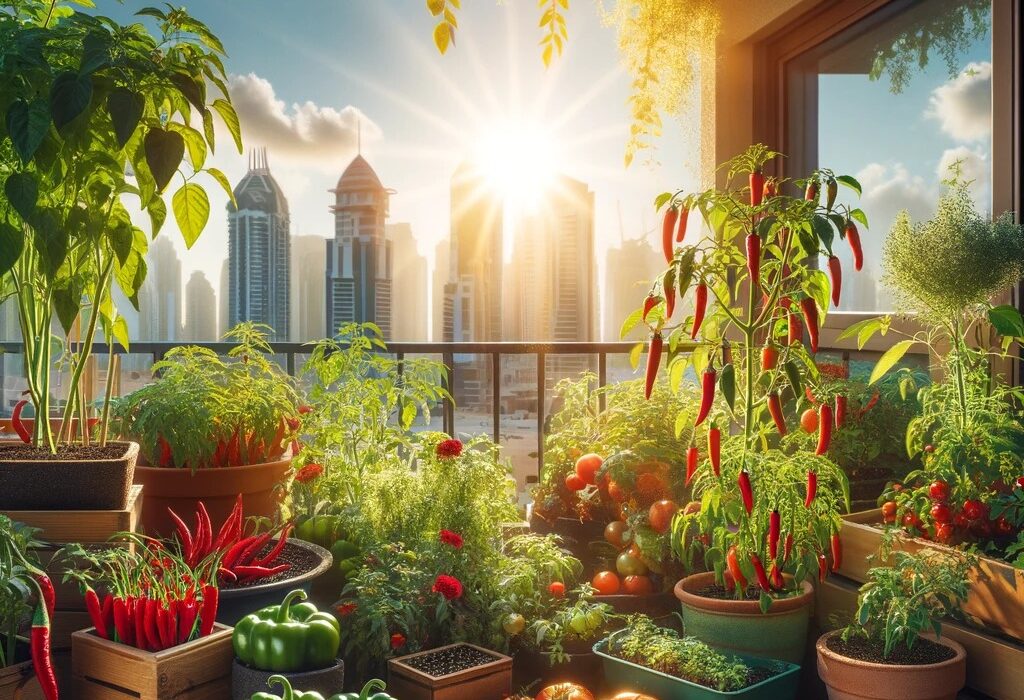
Here we have taken tomatoes and chilies, a dynamic duo that shines in the garden.

Why Pair Chillies with Tomatoes?

Tomatoes, juicy fruits, are grown in warm, sunny environments with well-drained soil.

The colorful and spicy flavors of chilies add a spicy zest to the garden. These heat-loving plants grow similarly to tomatoes, which makes them perfect garden companions. They are rich in vitamins and antioxidants.

Pest Patrol: Chillies strong aroma repels common tomato pests like whiteflies and tomato hornworms. This natural defense can save you from using harsh chemicals.

Shared Benefits: Both chilies and tomatoes love well-drained, sunny spots with slightly acidic soil. By sharing space, you optimize your balcony or your garden

Pollinator Party: The fragrant blooms of both plants attract helpful pollinators like bees and butterflies, boosting fruit production.

Benefits of Companion Planting

Welcome to the amazing world of companion planting, where cooperation and teamwork bring gardens to life! Plants in a companion garden collaborate to grow as much as in a close-knit community.

It’s not just about arranging plants; it’s an approach that utilizes the natural relationships between various species to build healthy ecosystems.

Nutrient Uptake

Companion planting optimizes soil nutrients by pairing plants with different nutrient needs, minimizing competition, and maximizing nutrient uptake.
Plants that require different nutrients from one another combine to form an ecosystem that reduces resource conflict.
Plants work best when paired together since their nutritional needs complement one another’s, avoiding the soil’s ability to lose certain nutrients.

Space Optimization:

Companion planting increases available space by combining plants with changing heights and growth patterns, resulting in more gardens. It’s also a resourceful method of maximizing a small garden area. Companion planting maximizes the potential of your garden by carefully matching plants with varying development requirements and spatial tastes.

Weed suppression:
Companion plants shade the soil or release chemicals that prevent weed growth, minimizing the need for manual weeding.
By selecting plant combinations that shade the soil, release allelopathic compounds, and promote soil health, you can create a weed-resistant landscape that requires little maintenance.
So, say goodbye to back-breaking weeding and embrace the beauty and usefulness of companion planting.

Improved Pollination:
By attracting beneficial insects like bees and butterflies, companion plants boost pollination rates, leading to better fruit and vegetable yields.
So, as you design your garden, keep in mind the crucial role companion plants play in arranging this pollination symphony and invite nature performers to increase the life of your green haven.

In the art of gardening, companion planting with chilies and tomatoes emerges as a harmonious partnership that benefits both plants and gardeners alike.

For a genuinely rewarding and fruitful growing experience, whether you’re an experienced gardener or a beginner, think about utilizing the potential of companion planting with tomatoes and chilies in your  garden.

Companion planting


Natural Pest Control: Boosting Organic Farming in Dubai

In the heart of Dubai’s advancing agricultural scene, organic farming is taking center stage, promising a healthier and more sustainable future for farming. A crucial aspect of organic farming in Dubai is managing pests without resorting to harmful chemicals. This guide explores natural pest control methods that align with the principles of organic farming, ensuring your crops thrive in harmony with nature.

Understanding Organic Farming:

Organic farming in Dubai is more than just avoiding synthetic pesticides; it’s about fostering an ecosystem that supports natural growth and sustainability. By prioritizing soil health and biodiversity, organic farmers create a balanced environment where plants can grow strong and resilient against pests.

Eco-Friendly Pest Control Strategies:

  • Companion Planting:

This age-old practice involves planting certain crops together that naturally repel pests or attract beneficial insects. For example, marigolds can deter nematodes and other pests, making them excellent companions for various vegetables.

  • Biological Control:

Leveraging natural predators like ladybugs, lacewings, and predatory mites can help control pest populations without chemicals. These beneficial insects are natural enemies to common pests and can be crucial allies in organic farming in Dubai.

  • Neem Oil and Diatomaceous Earth:

Neem oil, extracted from the neem tree, is a powerful organic pesticide that is safe for beneficial insects. Similarly, diatomaceous earth is a non-toxic powder that can effectively control pests like aphids and slugs.

  • Crop Rotation and Diversity:

Rotating crops and planting a diverse array of species can prevent pest infestations. Diverse plantings confuse pests and reduce the spread of pest-borne diseases.

  • Physical Barriers:

Using nets, row covers, and other physical barriers can protect your crops from pests without harming the environment or beneficial insects.

Benefits of Eco-Friendly Pest Control:

  • Sustainable Practices:

By embracing natural pest control methods, organic farming in Dubai contributes to a sustainable agricultural system that respects the environment and conserves resources.

  • Healthier Crops:

Organic practices lead to healthier, more robust crops that are less dependent on chemical inputs, offering better nutrition and taste.

  • Biodiversity:

Organic farming supports a wide range of biodiversity, from soil organisms to pollinators, enhancing the ecological balance of the farming area.

  • Soil Health:

Natural pest control methods contribute to the overall health of the soil, improving its structure, nutrient content, and ability to retain water.

Conclusion:

Organic farming in Dubai is not just about producing food; it’s about creating a sustainable, healthy ecosystem that benefits both the environment and the community. By adopting eco-friendly pest control methods, farmers can protect their crops naturally, ensuring the longevity and success of organic farming in the region. With dedication and the right practices, Dubai’s organic farming scene can continue to flourish, setting a standard for sustainable agriculture in arid climates.